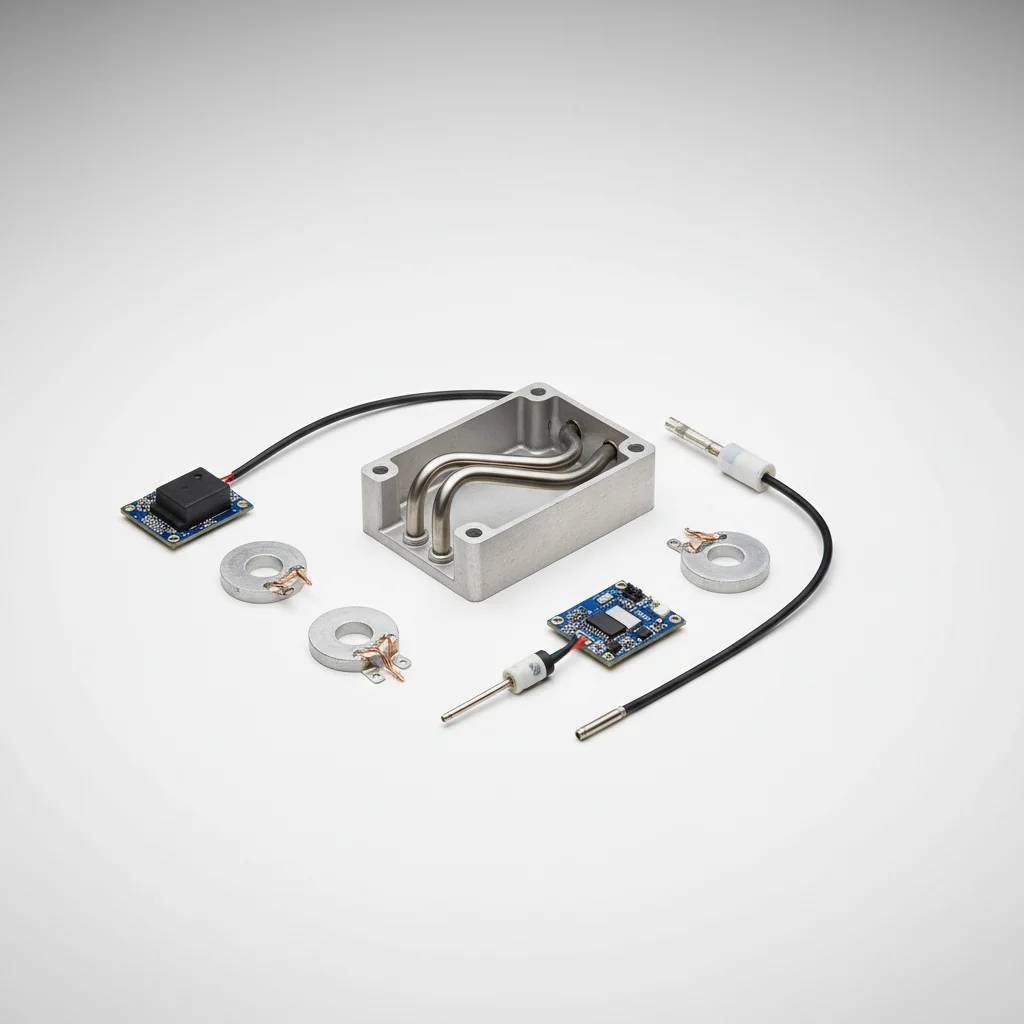
An espresso machine thermoblock heats water for brewing and steaming by passing it through a coiled metal block containing a heating element. This compact and efficient system typically heats water to brewing temperature in under 30 seconds, making it a popular choice for many home espresso machines due to its rapid heat-up time and energy efficiency.
What is a Thermoblock and How Does it Function?
A thermoblock is essentially an aluminum or stainless steel block with a narrow, winding water path and an embedded heating element. When you turn on your espresso machine, the heating element rapidly warms the metal block. As cold water from the reservoir is pumped through the internal channels of the thermoblock, it quickly absorbs heat from the hot metal, reaching the desired temperature for brewing or steaming almost instantly. This on-demand heating mechanism contrasts with traditional boiler systems that heat a larger volume of water in a tank.
Advantages of Thermoblock Systems
Thermoblock systems offer several key advantages. Their primary benefit is speed; they can go from cold to brew-ready in a matter of seconds, significantly reducing waiting times. They are also generally more energy-efficient than boilers because they only heat the water as it’s needed, rather than maintaining a large volume of hot water constantly. Furthermore, thermoblocks are typically more compact, allowing for smaller and lighter machine designs. This makes them ideal for home users with limited counter space.
Disadvantages and Limitations
|
Our Picks for the Best Espresso Machine in 2026
As an Amazon Associate I earn from qualifying purchases.
|
||
| Num | Product | Action |
|---|---|---|
| 1 | 20Bar Espresso Machine, Compact Espresso Maker with Milk Frother, Stainless Steel Coffee Machine for Cappuccino&Latte, 42oz Water Tank, Visible Pressure Gauge, Home&Office, Silver |

|
| 2 | Espresso Machine, 20 BAR Pump Temperature Control, Compact Espresso Maker with Steam Milk Frother, Professional Coffee Makers for Home, Cappuccino, Latte, Gifts for Coffee Lover, Black |
|
| 3 | Espresso Machine 20 Bar with Milk Frother, Stainless Steel Coffee Maker with 42 oz Removable Water Tank for Cappuccino, Latte&Cold Brew, Home&Office, Silver |
|
| 4 | Chefman CraftBrew Espresso Machine, 15-Bar Pump Digital Espresso Maker w/Steam Wand for Latte & Cappuccino, Compact Espresso Coffee Machine w/ 1.5L Removable Water Reservoir - Stainless Black |
|
| 5 | Espresso Machine with Milk Frother, 20 Bar Pressure Espresso Maker, with 44OZ Removable Tank, Compact Stainless Steel Coffee Machine for Home, Office, Latte, Cappuccino, Gift for Women or Men |
|
| 6 | SHARDOR Espresso Machine 20 Bar, Professional Espresso Machine with Milk Frother and Touchscreen, Expresso Coffee Machines with Adjustable Temperature,for Cappuccino, Latte |
|
| 7 | Breville Barista Touch Espresso Machine BES880BSS, Brushed Stainless Steel |
|
| 8 | 20 Bar Espresso Coffee Machine with LED Touch Screen, Espresso Maker with Self-Cleaning Function & Milk Frother, Compact Cappuccino & Latte Maker for Home and Office |
|
| 9 | Gevi Commercial Espresso and Coffee Makers, Professional 20 Bar Espresso Maker with Milk Frother, Stainless Steel Expresso Coffee Machines for Home, Compact Cappuccino Machine, Great Gift |
|
| 10 | Espresso Machine, 20Bar Compact Stainless Espresso Maker, With Milk Frother Steam Wand, 57.5OZ Removable Water Tank, Displays Making Time & Water Temperature, Cold Brew & Cappuccino, Silver |
|
Despite their benefits, thermoblocks do have some limitations. One common issue is temperature stability. While they heat quickly, maintaining a consistent temperature throughout a longer extraction can be challenging for some models, potentially leading to less consistent espresso shots compared to well-designed boiler systems. They can also be more prone to mineral buildup if not regularly descaled, as the narrow water paths can clog more easily. Additionally, some thermoblock machines struggle to produce sufficient steam pressure for multiple milk drinks back-to-back.
Thermoblock vs. Boiler Systems
The main difference between thermoblock and boiler systems lies in their heating method and water volume. Boilers heat a larger, fixed volume of water, offering greater temperature stability for brewing and often more powerful, consistent steam. However, boilers take longer to heat up and consume more energy. Thermoblocks, on the other hand, provide rapid, on-demand heating, making them quicker and more energy-efficient, though sometimes at the expense of temperature consistency and steam power. The choice often depends on a user’s priorities: speed and compactness versus ultimate temperature stability and steam performance.
- Rapid heat-up time (often under 30 seconds)
- Energy-efficient due to on-demand heating
- Compact design for smaller machines
- Can struggle with temperature stability during long extractions
- Requires diligent descaling to prevent mineral buildup
Maintenance Tips for Thermoblock Espresso Machines
Proper maintenance is crucial for extending the life and performance of your thermoblock espresso machine. Regular descaling is paramount to prevent mineral deposits from clogging the narrow water channels. Aim to descale every 1-3 months, depending on your water hardness and usage. Always use filtered water to minimize scale buildup. Additionally, backflushing the group head (if applicable) and cleaning the steam wand after each use will help maintain optimal function.Following these simple steps will ensure your thermoblock continues to deliver hot water efficiently for delicious espresso.
Get our weekly buyer guide
Practical specs, not advice. Unsubscribe anytime.
