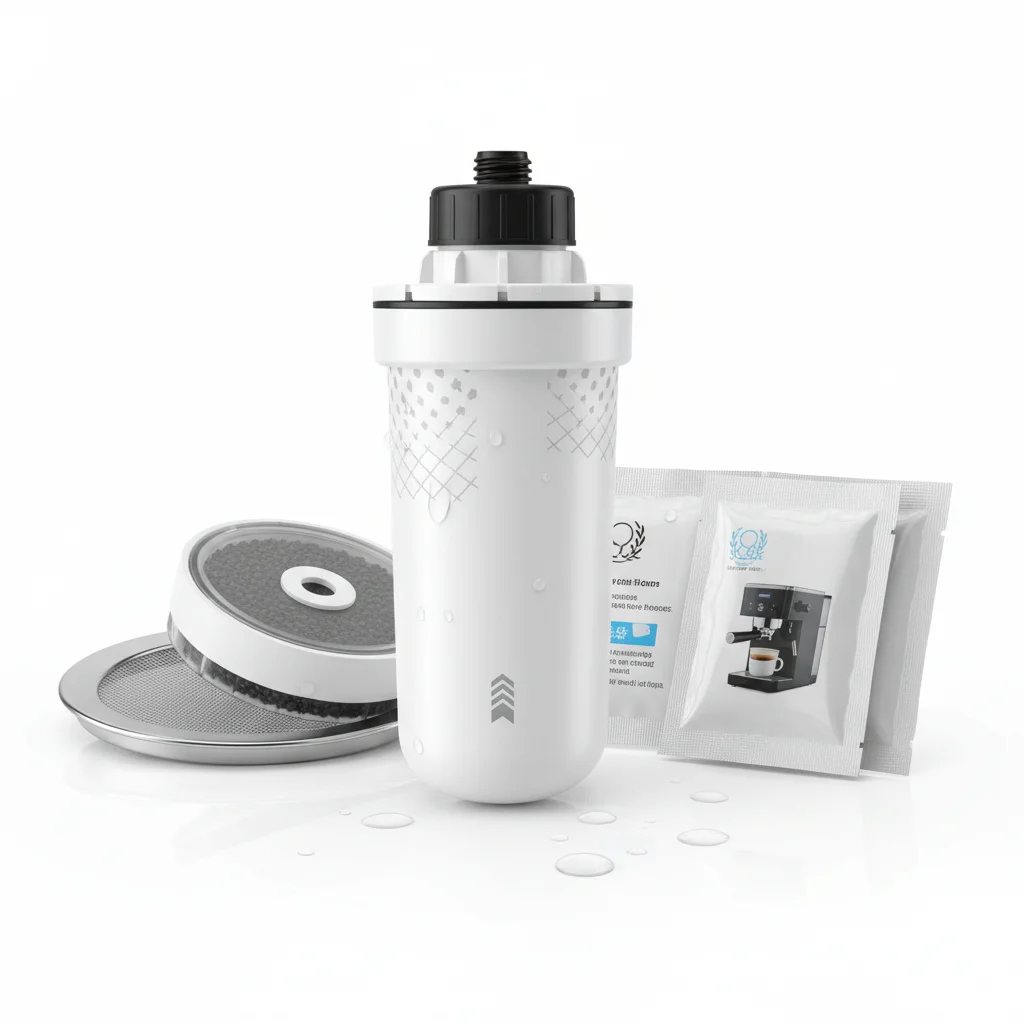
Espresso machine water filters are highly beneficial for optimal machine performance and espresso quality, though not strictly mandatory for every setup. Using a water filter can significantly extend the lifespan of your machine by preventing scale buildup and improve the taste of your espresso. Studies show that filtered water can reduce mineral deposits by up to 80%, leading to fewer maintenance issues and a consistently better-tasting shot.
Why Filtered Water Matters for Your Espresso
The quality of water directly impacts both your espresso machine’s longevity and the flavor profile of your coffee. Tap water often contains minerals like calcium and magnesium, which, when heated, form limescale. This scale can clog internal components, reduce heating efficiency, and eventually lead to costly repairs. Beyond machine health, these minerals can also impart off-flavors to your espresso, masking the delicate notes of your coffee beans.
Using filtered water ensures that your machine operates smoothly and that every shot you pull is free from unwanted tastes. It’s a simple step that yields significant benefits for both your equipment and your palate.
Types of Espresso Machine Water Filters
There are several types of water filters available for espresso machines, each with its own advantages. The most common include activated carbon filters, which remove chlorine and other organic compounds, and ion-exchange filters, designed to reduce water hardness by swapping calcium and magnesium ions for sodium ions. Some advanced systems combine these technologies for comprehensive filtration.
Choosing the right filter depends on your local water quality and your specific machine’s requirements. Many machines come with integrated filter systems, while others rely on external pitcher filters or inline filters connected to your water supply.
- Activated carbon filters for chlorine removal
- Ion-exchange filters to reduce water hardness
- Sediment filters for particulate matter
- Reverse osmosis systems for comprehensive purification
- Integrated machine filters for convenience
Installation and Maintenance of Water Filters
|
Our Picks for the Best Espresso Machine in 2026
As an Amazon Associate I earn from qualifying purchases.
|
||
| Num | Product | Action |
|---|---|---|
| 1 | Espresso Machine with Milk Frother, 20 Bar Pressure Espresso Maker, with 44OZ Removable Tank, Compact Stainless Steel Coffee Machine for Home, Office, Latte, Cappuccino, Gift for Women or Men |

|
| 2 | 20 Bar Espresso Coffee Machine with LED Touch Screen, Espresso Maker with Self-Cleaning Function & Milk Frother, Compact Cappuccino & Latte Maker for Home and Office |
|
| 3 | 20Bar Espresso Machine, Compact Espresso Maker with Milk Frother, Stainless Steel Coffee Machine for Cappuccino&Latte, 42oz Water Tank, Visible Pressure Gauge, Home&Office, Silver |
|
| 4 | Chefman CraftBrew Espresso Machine, 15-Bar Pump Digital Espresso Maker w/Steam Wand for Latte & Cappuccino, Compact Espresso Coffee Machine w/ 1.5L Removable Water Reservoir - Stainless Black |
|
| 5 | Espresso Machine 20 Bar with Milk Frother, Stainless Steel Coffee Maker with 42 oz Removable Water Tank for Cappuccino, Latte&Cold Brew, Home&Office, Silver |
|
| 6 | Gevi Commercial Espresso and Coffee Makers, Professional 20 Bar Espresso Maker with Milk Frother, Stainless Steel Expresso Coffee Machines for Home, Compact Cappuccino Machine, Great Gift |
|
| 7 | Breville Barista Touch Espresso Machine BES880BSS, Brushed Stainless Steel |
|
| 8 | Espresso Machine, 20Bar Compact Stainless Espresso Maker, With Milk Frother Steam Wand, 57.5OZ Removable Water Tank, Displays Making Time & Water Temperature, Cold Brew & Cappuccino, Silver |
|
| 9 | Espresso Machine, 20 BAR Pump Temperature Control, Compact Espresso Maker with Steam Milk Frother, Professional Coffee Makers for Home, Cappuccino, Latte, Gifts for Coffee Lover, Black |
|
| 10 | SHARDOR Espresso Machine 20 Bar, Professional Espresso Machine with Milk Frother and Touchscreen, Expresso Coffee Machines with Adjustable Temperature,for Cappuccino, Latte |
|
Installing an espresso machine water filter is typically a straightforward process. For internal filters, it often involves simply inserting the cartridge into a designated slot in the water reservoir. External inline filters may require connecting to your water line. Always refer to your machine’s manual for specific instructions.
Regular maintenance is key to the effectiveness of your filter. Most filters need to be replaced every 2-3 months, or after a certain volume of water has passed through them, to ensure they continue to provide optimal filtration. Neglecting to replace your filter can lead to reduced filtration efficiency and potential damage to your machine.
The Impact on Espresso Flavor and Machine Longevity
The most immediate benefit of using filtered water is the noticeable improvement in espresso flavor. By removing impurities and excessive minerals, filtered water allows the true characteristics of your coffee beans to shine through, resulting in a cleaner, more vibrant, and consistent taste. This is particularly important for specialty coffee, where subtle nuances can be easily overshadowed by poor water quality.
From a machine longevity perspective, filtered water is a game-changer. It dramatically reduces the rate of limescale buildup, which is the primary cause of many espresso machine malfunctions. This means fewer descaling cycles, less wear and tear on internal components, and a significantly longer operational life for your valuable equipment. Investing in a good water filter is an investment in the future of your espresso machine.
When to Consider a Water Softener Instead
For areas with extremely hard water, a standard water filter might not be sufficient. In such cases, a dedicated water softener might be a more effective solution. Water softeners use a process called ion exchange to remove hardness minerals, providing a more comprehensive solution than typical filters. While more involved to install, a water softener can offer superior protection against scale buildup and ensure the best possible water quality for your espresso machine.
Consulting a water quality report for your area can help you determine if your water hardness warrants a more robust solution like a water softener. It’s about finding the right balance between convenience and optimal machine protection.
Frequently Asked Questions
Are espresso machine water filters truly necessary for home users?
Espresso machine water filters are highly recommended for home users, as they significantly extend machine lifespan and improve espresso taste. While not strictly mandatory, they reduce mineral deposits by up to 80%, preventing costly repairs and ensuring consistent flavor.
How do water filters improve the taste of espresso?
Water filters improve espresso taste by removing impurities like chlorine and excessive minerals that can impart off-flavors. This allows the true characteristics of the coffee beans to shine through, resulting in a cleaner, more vibrant, and consistent taste profile.
What are the main types of water filters for espresso machines?
The main types of water filters for espresso machines include activated carbon filters for chlorine removal, ion-exchange filters to reduce water hardness, and sediment filters for particulate matter. Some advanced systems combine these technologies for comprehensive filtration.
How often should an espresso machine water filter be replaced?
Most espresso machine water filters need to be replaced every 2-3 months, or after a certain volume of water has passed through them. Regular replacement ensures optimal filtration efficiency and prevents potential damage to your machine from reduced protection.
When should I consider a water softener instead of a filter for my espresso machine?
You should consider a water softener instead of a standard filter if you live in an area with extremely hard water. Water softeners use ion exchange to remove hardness minerals more comprehensively, offering superior protection against scale buildup than typical filters.
Get our weekly buyer guide
Practical specs, not advice. Unsubscribe anytime.

I used to have so many issues with my old machine, constantly descaling it. After reading about how much filtered water can reduce mineral deposits by up to 80%, I decided to invest in a good filter for my new Breville. It’s been a game-changer! My espresso tastes so much cleaner, and I haven’t had any scale buildup problems at all. Definitely worth it for machine longevity.
I was skeptical about espresso machine water filters at first, thinking it was just another gimmick. But after noticing a weird taste in my shots and realizing my tap water is pretty hard, I gave one a try. The difference in flavor is noticeable – no more off-flavors masking the coffee. My machine also seems to be running smoother, which is a bonus.
This is spot on! I learned the hard way about limescale clogging internal components. Had to get a costly repair on my last machine because I ignored water quality. Now, I always use filtered water, and my current machine is performing perfectly. The taste improvement is also a huge plus; my morning latte is consistently excellent.
I’ve been using a basic filter for a few months now, and while it’s helped with the taste of my espresso, I’m not sure it’s completely preventing scale buildup. I still see some signs of it, though maybe less than before. I was hoping for a more dramatic reduction in maintenance issues, especially since I live in an area with very hard water. It’s good, but not a miracle worker.