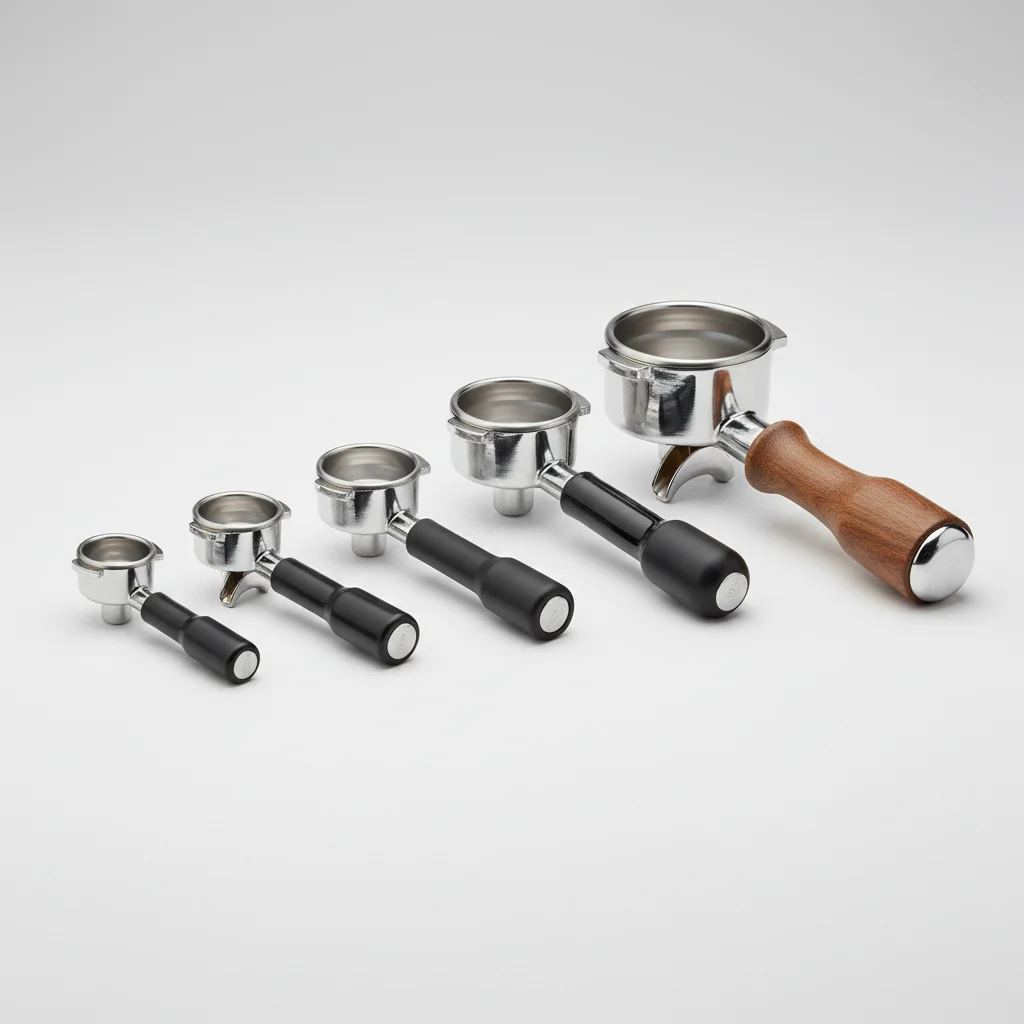
The most common espresso machine portafilter sizes are 58mm, 54mm, and 53mm, with 58mm being the industry standard for commercial and many high-end home machines. Choosing the correct size is crucial for optimal extraction and a perfect espresso shot because it ensures proper tamping, even water distribution, and consistent pressure during brewing, directly impacting the flavor and crema.
Why Portafilter Size Matters for Your Espresso
The diameter of your portafilter basket directly influences the coffee puck’s surface area and depth. A larger diameter, like 58mm, allows for a wider, shallower puck, which can promote more even extraction if the grind size and dose are perfectly matched. Conversely, smaller diameters, such as 54mm or 53mm, create a deeper, narrower puck. This can sometimes lead to channeling if not tamped precisely, but it also means less coffee is needed for a single shot, which can be economical. For see our home espresso recommendations on this site.
The consistency of your espresso relies heavily on the interaction between water, coffee grounds, and the portafilter. An ill-fitting portafilter can cause water to bypass the coffee, leading to under-extraction and a weak, sour shot. Always consult your machine’s specifications to confirm the correct portafilter size.
Common Portafilter Sizes and Their Applications
The 58mm portafilter is the most prevalent size, found in professional-grade machines from brands like La Marzocco, Rocket, and many E61 group head machines. This size is favored for its ability to create a wide, even coffee bed, which many baristas believe contributes to superior extraction and flavor profiles. For home users, 58mm portafilters are common in prosumer models, offering a near-commercial brewing experience.
The 54mm portafilter is frequently associated with Breville machines, particularly models like the Barista Express and Barista Pro. This size is designed to work efficiently with Breville’s integrated grinders and brewing systems. Similarly, 53mm portafilters are often found in specific brands like Delonghi and some Gaggia models. While these sizes are less common than 58mm, they are perfectly capable of producing excellent espresso when used with the appropriate grind and dose for the machine.
How to Determine Your Espresso Machine’s Portafilter Size
|
Our Picks for the Best Espresso Machine in 2026
As an Amazon Associate I earn from qualifying purchases.
|
||
| Num | Product | Action |
|---|---|---|
| 1 | Gevi Commercial Espresso and Coffee Makers, Professional 20 Bar Espresso Maker with Milk Frother, Stainless Steel Expresso Coffee Machines for Home, Compact Cappuccino Machine, Great Gift |

|
| 2 | Espresso Machine, 20 BAR Pump Temperature Control, Compact Espresso Maker with Steam Milk Frother, Professional Coffee Makers for Home, Cappuccino, Latte, Gifts for Coffee Lover, Black |
|
| 3 | Espresso Machine with Milk Frother, 20 Bar Pressure Espresso Maker, with 44OZ Removable Tank, Compact Stainless Steel Coffee Machine for Home, Office, Latte, Cappuccino, Gift for Women or Men |
|
| 4 | SHARDOR Espresso Machine 20 Bar, Professional Espresso Machine with Milk Frother and Touchscreen, Expresso Coffee Machines with Adjustable Temperature,for Cappuccino, Latte |
|
| 5 | Espresso Machine 20 Bar with Milk Frother, Stainless Steel Coffee Maker with 42 oz Removable Water Tank for Cappuccino, Latte&Cold Brew, Home&Office, Silver |
|
| 6 | 20 Bar Espresso Coffee Machine with LED Touch Screen, Espresso Maker with Self-Cleaning Function & Milk Frother, Compact Cappuccino & Latte Maker for Home and Office |
|
| 7 | Espresso Machine, 20Bar Compact Stainless Espresso Maker, With Milk Frother Steam Wand, 57.5OZ Removable Water Tank, Displays Making Time & Water Temperature, Cold Brew & Cappuccino, Silver |
|
| 8 | Chefman CraftBrew Espresso Machine, 15-Bar Pump Digital Espresso Maker w/Steam Wand for Latte & Cappuccino, Compact Espresso Coffee Machine w/ 1.5L Removable Water Reservoir - Stainless Black |
|
| 9 | 20Bar Espresso Machine, Compact Espresso Maker with Milk Frother, Stainless Steel Coffee Machine for Cappuccino&Latte, 42oz Water Tank, Visible Pressure Gauge, Home&Office, Silver |
|
| 10 | Breville Barista Touch Espresso Machine BES880BSS, Brushed Stainless Steel |
|
The easiest way to determine your espresso machine’s portafilter size is to check the manufacturer’s manual or the product specifications online. If you don’t have access to these, you can measure the internal diameter of your existing portafilter basket. Use a ruler or, for greater accuracy, a digital caliper to measure across the inside rim of the basket, from edge to edge. Be sure to measure the inside diameter where the coffee grounds sit, not the outer rim of the portafilter itself.
It’s important to note that while the basket size is the primary concern, the portafilter handle and ears (the tabs that lock into the group head) are also specific to your machine’s brand and model. A 58mm basket from one brand might not fit a 58mm portafilter from another due to these variations.
Upgrading Your Portafilter: What to Consider
When considering an upgrade or replacement portafilter, several factors come into play. You might be looking for a bottomless (naked) portafilter to observe your extraction and diagnose channeling issues, or perhaps a heavier, more robust option for better heat retention. Here are key considerations:
- Material: Stainless steel is durable and retains heat well.
- Handle Ergonomics: Choose a handle that feels comfortable and balanced in your hand.
- Basket Type: Standard, precision, or pressurized baskets offer different brewing experiences.
- Compatibility: Ensure the new portafilter’s ears and locking mechanism match your machine’s group head.
- Brand Specificity: Many portafilters are designed for particular machine brands.
Always double-check compatibility before purchasing. A high-quality portafilter can significantly enhance your brewing ritual and the quality of your espresso.
Maintaining Your Portafilter for Longevity
Proper maintenance of your portafilter is essential for both hygiene and the longevity of your equipment. After each use, remove the spent coffee puck and rinse the portafilter and basket thoroughly under hot water. This prevents coffee oils from building up, which can impart a bitter taste to future shots and clog the basket holes. Periodically, you should perform a deeper clean.
For a more thorough cleaning, soak the portafilter basket in a solution of espresso machine cleaner and hot water. This will dissolve stubborn coffee residues and oils. Always ensure you rinse it completely afterward to remove any cleaning solution. Regular cleaning not only keeps your espresso tasting fresh but also extends the life of your portafilter and prevents potential issues like corrosion or blockages.
Frequently Asked Questions
What are the most common portafilter sizes for espresso machines?
The most common portafilter sizes are 58mm, 54mm, and 53mm. The 58mm size is considered the industry standard for commercial and many high-end home espresso machines, offering a wide, even coffee bed for extraction.
Why is the correct portafilter size important for espresso quality?
The correct portafilter size is crucial because it ensures proper tamping, even water distribution, and consistent pressure during the brewing process. An ill-fitting portafilter can lead to under-extraction, resulting in a weak or sour espresso shot.
How can I determine the portafilter size of my espresso machine?
You can determine your espresso machine's portafilter size by checking the manufacturer's manual or product specifications online. Alternatively, measure the internal diameter of your existing portafilter basket using a ruler or digital caliper across the inside rim.
Which espresso machine brands use 54mm portafilters?
The 54mm portafilter is frequently associated with Breville espresso machines, particularly models like the Barista Express and Barista Pro. This size is designed to work efficiently with Breville's integrated grinding and brewing systems.
What should I consider when upgrading my espresso machine portafilter?
When upgrading, consider the material (stainless steel for durability), handle ergonomics for comfort, and basket type (standard, precision, or pressurized). Most importantly, ensure the new portafilter's ears and locking mechanism are compatible with your machine's group head.
How to Determine Your Espresso Machine's Portafilter Size
Accurately measure your espresso machine's portafilter size to ensure optimal brewing and compatibility with accessories.
The easiest method is to check your espresso machine's user manual or the product specifications available online. This will provide the exact portafilter diameter recommended by the manufacturer.
If the manual is unavailable, remove the portafilter basket from the portafilter. Use a ruler or a digital caliper to measure the internal diameter of the basket, from one edge to the opposite edge where the coffee grounds sit.
Remember that while the basket size is key, the portafilter handle and 'ears' (the tabs that lock into the group head) are specific to your machine's brand and model. Ensure any replacement portafilter matches these physical attributes for a secure fit.
Get our weekly buyer guide
Practical specs, not advice. Unsubscribe anytime.

Good info, but I wish there was more guidance on specific brands that use each size. I’m trying to figure out if my Breville Barista Express has a 54mm or 58mm without having to measure it myself. The explanation about puck depth and surface area was clear, though, and it makes sense why my shots sometimes taste a bit off.
I’ve always struggled with inconsistent shots, and I never really understood why until I read about portafilter sizes. My old machine had a 53mm, and I was constantly getting channeling. Upgraded to a machine with a 58mm, and the difference is night and day. The wider, shallower puck really does make a difference in even extraction. Thanks for breaking it down!
This was super helpful! I always just assumed all portafilters were the same. My current machine uses a 54mm, and while I generally get good results, I’ve noticed I need to be extra careful with my tamping to avoid channeling. It’s good to know that’s a common characteristic for that size. Definitely something to consider for my next upgrade.
Finally, someone explains why portafilter size matters beyond just ‘it fits.’ I’ve been using a commercial-grade machine at home for a while, which has the 58mm standard. It’s great to understand the science behind why it’s considered the industry standard and how it contributes to a more even extraction and better crema. This really validated my choice!