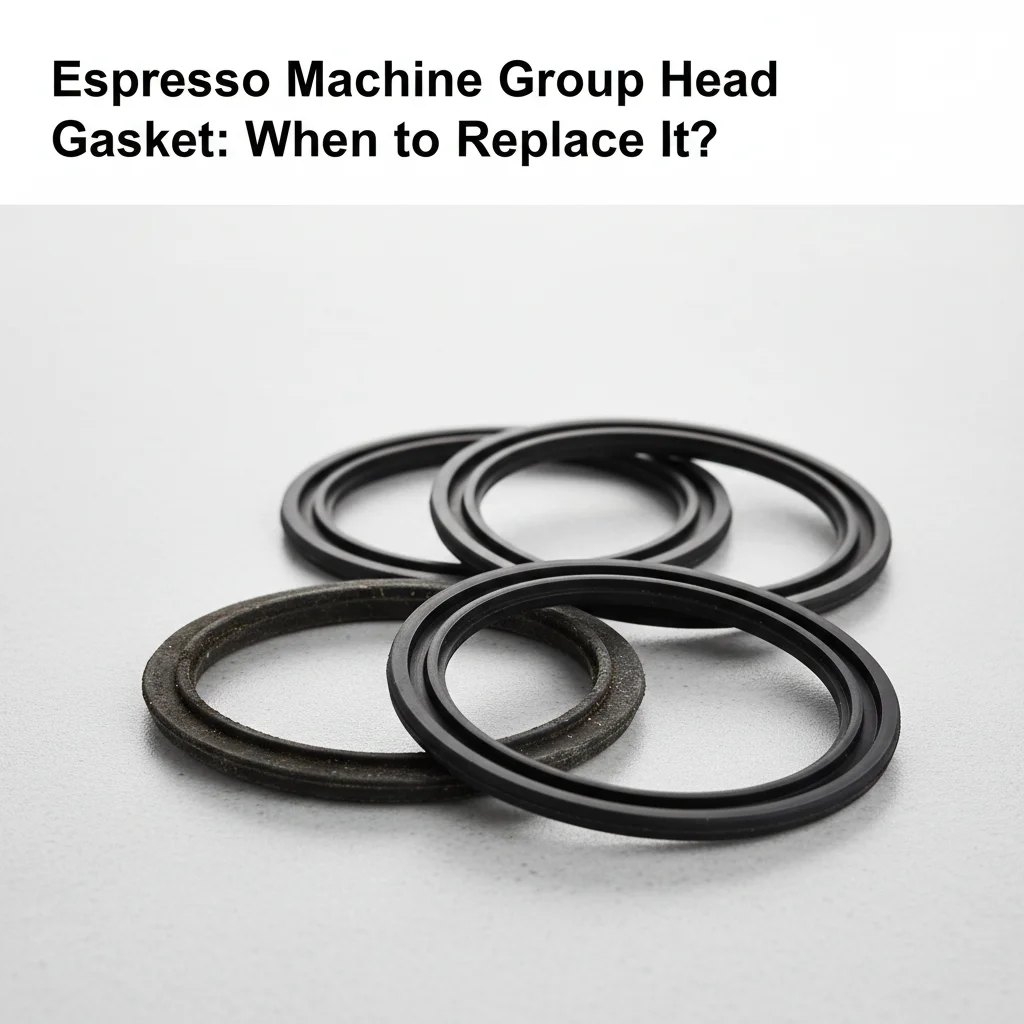
The group head gasket on your espresso machine should typically be replaced every 6 to 12 months, depending on your usage frequency and the type of gasket material. Regular replacement is crucial for maintaining optimal brewing pressure and preventing leaks, which can significantly impact the quality of your espresso shots.
Why the Group Head Gasket Matters
The group head gasket, often a rubber or silicone ring, creates a seal between the portafilter and the group head during extraction. This seal is vital for ensuring that all the pressurized water flows through the coffee puck, rather than escaping around the edges. A worn or hardened gasket can lead to pressure loss, inconsistent extractions, and messy leaks, compromising both your espresso and your machine’s cleanliness. For expert home espresso reviews on this site.
Signs It’s Time for a Replacement
Several indicators suggest your group head gasket needs attention. The most obvious sign is water leaking from around the portafilter during brewing. You might also notice that the portafilter feels looser than usual when locked into place, or that you have to overtighten it to achieve a seal. Another common sign is a brittle or cracked gasket, which can be visually inspected. If your espresso shots are consistently under-extracted or lack crema, a failing gasket could be a contributing factor.
- Water leaking around the portafilter during brewing.
- Portafilter feels loose or requires excessive force to seal.
- Visible cracks, hardening, or brittleness of the gasket.
- Inconsistent or poor espresso extraction quality.
- Difficulty inserting or removing the portafilter smoothly.
Choosing the Right Gasket Material
|
Our Picks for the Best Espresso Machine in 2026
As an Amazon Associate I earn from qualifying purchases.
|
||
| Num | Product | Action |
|---|---|---|
| 1 | 20 Bar Espresso Coffee Machine with LED Touch Screen, Espresso Maker with Self-Cleaning Function & Milk Frother, Compact Cappuccino & Latte Maker for Home and Office |

|
| 2 | Gevi Commercial Espresso and Coffee Makers, Professional 20 Bar Espresso Maker with Milk Frother, Stainless Steel Expresso Coffee Machines for Home, Compact Cappuccino Machine, Great Gift |
|
| 3 | Espresso Machine 20 Bar with Milk Frother, Stainless Steel Coffee Maker with 42 oz Removable Water Tank for Cappuccino, Latte&Cold Brew, Home&Office, Silver |
|
| 4 | Chefman CraftBrew Espresso Machine, 15-Bar Pump Digital Espresso Maker w/Steam Wand for Latte & Cappuccino, Compact Espresso Coffee Machine w/ 1.5L Removable Water Reservoir - Stainless Black |
|
| 5 | Espresso Machine with Milk Frother, 20 Bar Pressure Espresso Maker, with 44OZ Removable Tank, Compact Stainless Steel Coffee Machine for Home, Office, Latte, Cappuccino, Gift for Women or Men |
|
| 6 | SHARDOR Espresso Machine 20 Bar, Professional Espresso Machine with Milk Frother and Touchscreen, Expresso Coffee Machines with Adjustable Temperature,for Cappuccino, Latte |
|
| 7 | Espresso Machine, 20Bar Compact Stainless Espresso Maker, With Milk Frother Steam Wand, 57.5OZ Removable Water Tank, Displays Making Time & Water Temperature, Cold Brew & Cappuccino, Silver |
|
| 8 | Espresso Machine, 20 BAR Pump Temperature Control, Compact Espresso Maker with Steam Milk Frother, Professional Coffee Makers for Home, Cappuccino, Latte, Gifts for Coffee Lover, Black |
|
| 9 | 20Bar Espresso Machine, Compact Espresso Maker with Milk Frother, Stainless Steel Coffee Machine for Cappuccino&Latte, 42oz Water Tank, Visible Pressure Gauge, Home&Office, Silver |
|
| 10 | Breville Barista Touch Espresso Machine BES880BSS, Brushed Stainless Steel |
|
Group head gaskets are commonly made from either rubber (EPDM) or silicone. Rubber gaskets are generally more affordable and provide a good seal, but they tend to harden and crack more quickly, especially with frequent use and high temperatures. Silicone gaskets, while often a bit more expensive, offer superior durability, flexibility, and resistance to heat, lasting longer and providing a more consistent seal over time. Many home baristas find the investment in a silicone gasket worthwhile for its longevity and ease of use.
Consider upgrading to a silicone gasket for a longer lifespan and easier portafilter engagement.
The Replacement Process: A Quick Guide
Replacing a group head gasket is a relatively straightforward maintenance task that most home users can perform. First, ensure your machine is turned off and cooled down. You’ll need a flathead screwdriver or a pick tool to carefully pry out the old gasket. Once removed, thoroughly clean the groove where the gasket sits to remove any coffee grounds or residue. Then, gently press the new gasket into place, ensuring it’s seated evenly. It’s often helpful to lubricate the new gasket with a small amount of food-grade lubricant or water to aid installation. After installation, run a blank shot to check for leaks.
For specific tools and replacement gaskets, check out these options.
Extending Gasket Lifespan
While regular replacement is inevitable, you can extend the life of your group head gasket with proper care. Always clean the group head thoroughly after each use, wiping away any coffee grounds that might get trapped between the portafilter and the gasket. Backflushing your machine regularly also helps remove oils and residues that can degrade the gasket material. Avoiding excessive overtightening of the portafilter can also reduce stress on the gasket, preserving its integrity for longer.
Get our weekly buyer guide
Practical specs, not advice. Unsubscribe anytime.

I’ve been struggling with inconsistent shots and thought it was my grind, but after reading about the group head gasket, I realized my machine was probably due for a replacement. Swapped out the old rubber gasket for a new silicone one, and wow, what a difference! No more leaks and my espresso tastes so much better. Definitely a crucial maintenance step I was overlooking.
I appreciate the info on preventing leaks, but I wish there was a bit more detail on how to choose the right gasket material. My machine is pretty old, and I’m not sure if rubber or silicone is better for it. Ended up just getting a generic one, and it seems okay, but I’m still a little unsure if it’s the optimal choice.
This was super helpful! I’ve had my espresso machine for about a year and a half and started noticing water escaping around the edges of the portafilter. It was getting really messy. Replacing the group head gasket completely solved the problem. My machine is clean again, and my espresso is back to being perfect.
Good reminder about the 6-12 month replacement window for the gasket. I usually just wait until I see a leak, but it makes sense to be more proactive. I’ve noticed some minor pressure loss lately, which I now realize could be an early sign. Going to order a new one today to keep my extractions consistent.