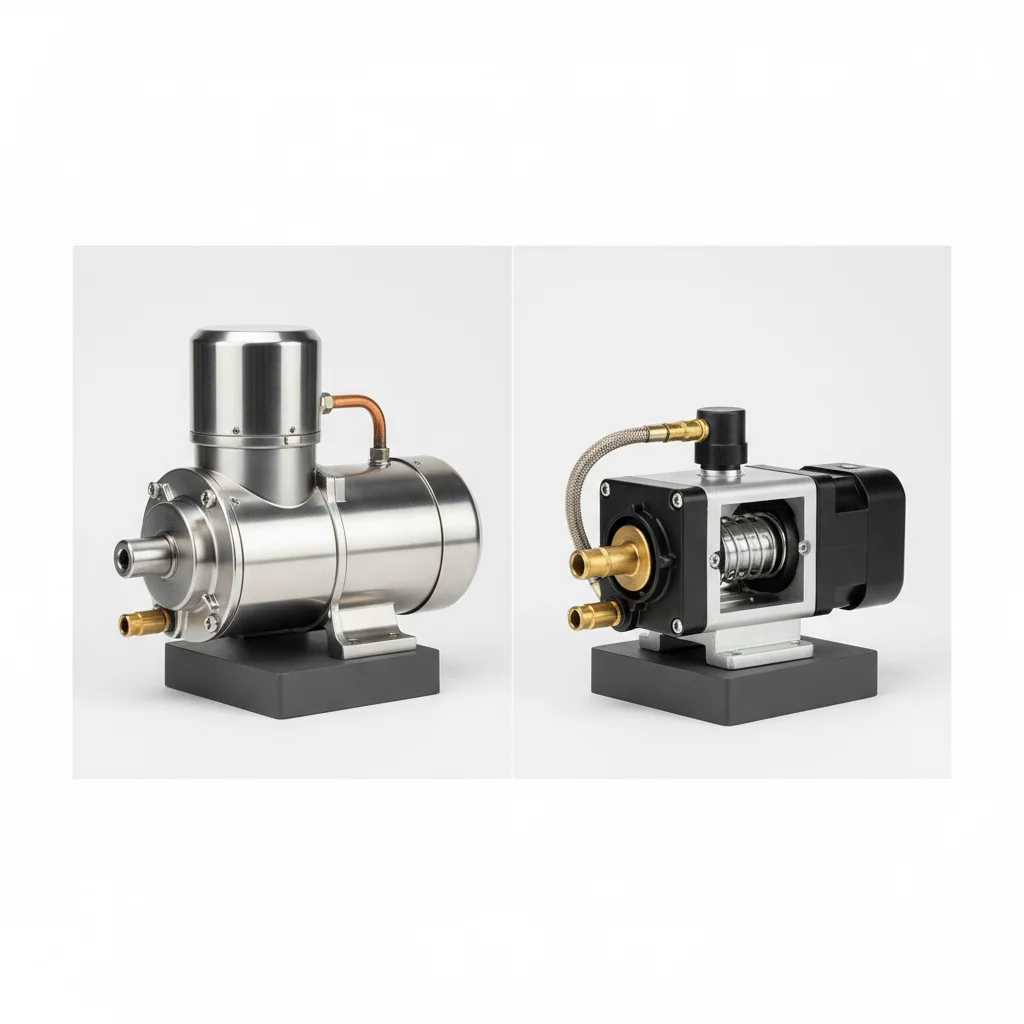
When choosing an espresso machine, understanding the pump type is crucial for both performance and longevity. There are two primary types of pumps used in home espresso machines: rotary and vibratory. Each offers distinct advantages and disadvantages, impacting factors like noise, pressure stability, and cost. Rotary pumps are generally found in higher-end, prosumer machines, offering quieter operation and more consistent pressure, while vibratory pumps are common in entry-level and mid-range models due to their compact size and lower cost.
Understanding Vibratory Pumps
Vibratory pumps, often referred to as Ulka or Fluid-o-Tech pumps, operate using an electromagnetic coil that vibrates a piston. This rapid vibration creates the necessary pressure to push water through the coffee grounds. They are compact, inexpensive to manufacture, and require minimal maintenance, making them a popular choice for many home espresso machines. However, they tend to be noisier than rotary pumps and can experience slight fluctuations in pressure during extraction, which might subtly affect shot quality for the most discerning palates. Their lifespan is typically shorter than rotary pumps, often ranging from 5 to 10 years depending on usage. For complete home espresso library on this site.
Exploring Rotary Pumps
Rotary pumps, on the other hand, utilize a motor to spin a disc with vanes inside a chamber. This creates a consistent, high-pressure flow of water. These pumps are significantly quieter than vibratory pumps and provide much more stable pressure throughout the entire extraction process, leading to more consistent and potentially higher-quality espresso shots. They are also more durable and have a longer lifespan, often exceeding 15 years with proper care. The main drawbacks are their larger size, higher cost, and the need for a direct water line connection in many commercial or prosumer applications, though some home models incorporate a reservoir.
Key Differences in Performance and Experience
|
Our Picks for the Best Espresso Machine in 2026
As an Amazon Associate I earn from qualifying purchases.
|
||
| Num | Product | Action |
|---|---|---|
| 1 | SHARDOR Espresso Machine 20 Bar, Professional Espresso Machine with Milk Frother and Touchscreen, Expresso Coffee Machines with Adjustable Temperature,for Cappuccino, Latte |

|
| 2 | Breville Barista Touch Espresso Machine BES880BSS, Brushed Stainless Steel |
|
| 3 | 20Bar Espresso Machine, Compact Espresso Maker with Milk Frother, Stainless Steel Coffee Machine for Cappuccino&Latte, 42oz Water Tank, Visible Pressure Gauge, Home&Office, Silver |
|
| 4 | Espresso Machine, 20 BAR Pump Temperature Control, Compact Espresso Maker with Steam Milk Frother, Professional Coffee Makers for Home, Cappuccino, Latte, Gifts for Coffee Lover, Black |
|
| 5 | Espresso Machine 20 Bar with Milk Frother, Stainless Steel Coffee Maker with 42 oz Removable Water Tank for Cappuccino, Latte&Cold Brew, Home&Office, Silver |
|
| 6 | Chefman CraftBrew Espresso Machine, 15-Bar Pump Digital Espresso Maker w/Steam Wand for Latte & Cappuccino, Compact Espresso Coffee Machine w/ 1.5L Removable Water Reservoir - Stainless Black |
|
| 7 | Espresso Machine with Milk Frother, 20 Bar Pressure Espresso Maker, with 44OZ Removable Tank, Compact Stainless Steel Coffee Machine for Home, Office, Latte, Cappuccino, Gift for Women or Men |
|
| 8 | Espresso Machine, 20Bar Compact Stainless Espresso Maker, With Milk Frother Steam Wand, 57.5OZ Removable Water Tank, Displays Making Time & Water Temperature, Cold Brew & Cappuccino, Silver |
|
| 9 | 20 Bar Espresso Coffee Machine with LED Touch Screen, Espresso Maker with Self-Cleaning Function & Milk Frother, Compact Cappuccino & Latte Maker for Home and Office |
|
| 10 | Gevi Commercial Espresso and Coffee Makers, Professional 20 Bar Espresso Maker with Milk Frother, Stainless Steel Expresso Coffee Machines for Home, Compact Cappuccino Machine, Great Gift |
|
The operational differences between rotary and vibratory pumps translate directly into the user experience. A machine with a vibratory pump will typically produce a noticeable buzzing sound during operation, which can be a minor inconvenience in a quiet home environment. Rotary pumps, by contrast, operate with a much lower hum, making for a more pleasant brewing experience. In terms of shot quality, the superior pressure stability of rotary pumps can lead to a more even extraction, potentially yielding a richer and more balanced flavor profile. While a skilled barista can pull excellent shots with either pump type, the rotary pump offers a slight edge in consistency and forgiveness.
- Vibratory pumps are louder during operation.
- Rotary pumps offer superior pressure stability.
- Vibratory pumps are more compact and less expensive.
- Rotary pumps have a significantly longer lifespan.
- Rotary pumps often require a direct water connection.
Maintenance and Longevity Considerations
Both pump types require minimal user maintenance, primarily focusing on regular descaling of the machine to prevent mineral buildup. However, their inherent designs dictate different longevity expectations. Vibratory pumps, with their vibrating piston mechanism, are subject to more wear and tear over time, leading to a shorter operational life. Rotary pumps, with their robust motor and vane design, are built for continuous operation and are far more durable. This difference in longevity is a significant factor in the overall cost of ownership, as a rotary pump machine, while more expensive upfront, may require fewer replacements over its lifetime.
Which Pump is Right for You?
Choosing between a rotary and vibratory pump ultimately depends on your priorities and budget. If you are an occasional espresso drinker, value a lower upfront cost, and don’t mind a bit of noise, a machine with a vibratory pump will likely serve you well. Many excellent entry-level and mid-range machines feature vibratory pumps that produce fantastic espresso. However, if you are a serious home barista, prioritize quiet operation, desire the utmost in pressure stability for consistent shot quality, and are willing to invest more for a machine with a longer lifespan, a rotary pump machine is the superior choice. These are often found in prosumer models that bridge the gap between home and commercial use.
Get our weekly buyer guide
Practical specs, not advice. Unsubscribe anytime.

I’ve always wondered about the difference between pumps, and this really cleared things up. My old machine had a vibratory pump and it was so loud, I’d wake up the whole house! Upgraded to a prosumer model with a rotary pump a few months ago, and the difference in noise level is incredible. Plus, the pressure stability has made my shots so much more consistent.
This was super helpful! I’m in the market for my first serious espresso machine, and I was getting overwhelmed by all the specs. Understanding that rotary pumps are quieter and offer more consistent pressure for higher-end machines really helps me narrow down my choices. I’m willing to invest a bit more for that kind of performance and longevity.
Great breakdown! I’ve been eyeing a new machine and was leaning towards a more affordable option, so knowing that vibratory pumps are common in entry-level models helps me set my expectations. It’s good to understand that while they might be a bit louder, they still get the job done for a home setup. I’m definitely prioritizing a machine with an Ulka pump now.
I appreciate the info on rotary vs. vibratory pumps. My current machine has a vibratory pump, and while it makes decent espresso, I do notice the pressure can fluctuate a bit, especially on longer shots. It’s not a deal-breaker for me since it was a mid-range model, but I can see why a rotary pump would be better for someone really serious about consistency. The noise isn’t too bad, but it’s definitely there.