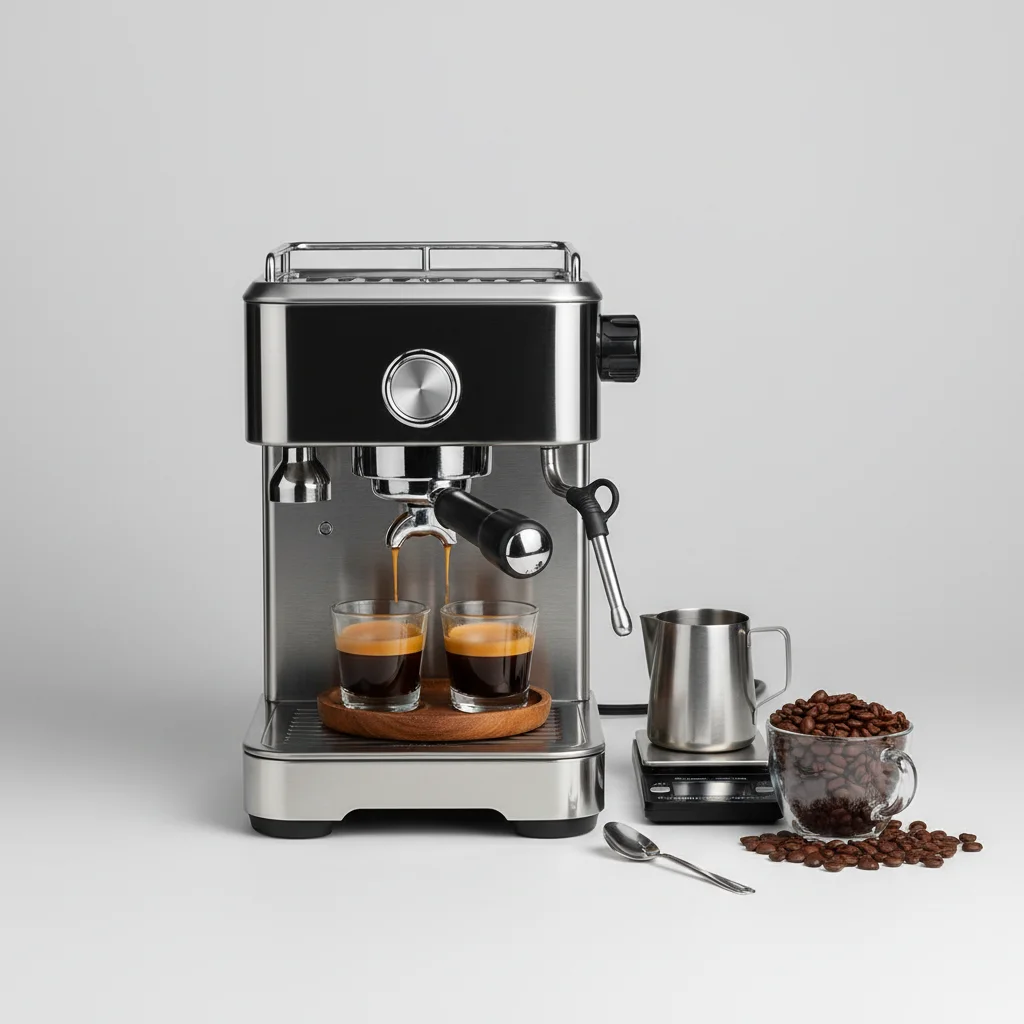
The ideal espresso machine brew ratio for optimal flavor typically falls between 1:2 and 1:2.5. This means for every 1 gram of ground coffee, you’ll extract between 2 and 2.5 grams of espresso. This range provides a balanced extraction, highlighting the coffee’s inherent sweetness, acidity, and body without over or under-extracting.
Understanding Brew Ratio Fundamentals
Brew ratio is a critical factor in espresso extraction, defining the relationship between the dry coffee dose and the liquid espresso yield. A lower ratio, like 1:1 (ristretto), results in a more concentrated, intense shot, often with a thicker body and reduced bitterness. Conversely, a higher ratio, such as 1:3 (lungo), produces a lighter-bodied espresso with more diluted flavors and potentially increased bitterness if over-extracted.
Experimenting with different ratios allows home baristas to fine-tune their espresso to personal preference and the specific characteristics of their coffee beans. Factors like roast level, bean origin, and freshness all influence how a coffee will respond to a particular brew ratio.
How to Measure and Control Your Brew Ratio
|
Our Picks for the Best Espresso Machine in 2026
As an Amazon Associate I earn from qualifying purchases.
|
||
| Num | Product | Action |
|---|---|---|
| 1 | 20 Bar Espresso Coffee Machine with LED Touch Screen, Espresso Maker with Self-Cleaning Function & Milk Frother, Compact Cappuccino & Latte Maker for Home and Office |

|
| 2 | Chefman CraftBrew Espresso Machine, 15-Bar Pump Digital Espresso Maker w/Steam Wand for Latte & Cappuccino, Compact Espresso Coffee Machine w/ 1.5L Removable Water Reservoir - Stainless Black |
|
| 3 | Espresso Machine, 20 BAR Pump Temperature Control, Compact Espresso Maker with Steam Milk Frother, Professional Coffee Makers for Home, Cappuccino, Latte, Gifts for Coffee Lover, Black |
|
| 4 | SHARDOR Espresso Machine 20 Bar, Professional Espresso Machine with Milk Frother and Touchscreen, Expresso Coffee Machines with Adjustable Temperature,for Cappuccino, Latte |
|
| 5 | Espresso Machine 20 Bar with Milk Frother, Stainless Steel Coffee Maker with 42 oz Removable Water Tank for Cappuccino, Latte&Cold Brew, Home&Office, Silver |
|
| 6 | Breville Barista Touch Espresso Machine BES880BSS, Brushed Stainless Steel |
|
| 7 | Gevi Commercial Espresso and Coffee Makers, Professional 20 Bar Espresso Maker with Milk Frother, Stainless Steel Expresso Coffee Machines for Home, Compact Cappuccino Machine, Great Gift |
|
| 8 | Espresso Machine, 20Bar Compact Stainless Espresso Maker, With Milk Frother Steam Wand, 57.5OZ Removable Water Tank, Displays Making Time & Water Temperature, Cold Brew & Cappuccino, Silver |
|
| 9 | Espresso Machine with Milk Frother, 20 Bar Pressure Espresso Maker, with 44OZ Removable Tank, Compact Stainless Steel Coffee Machine for Home, Office, Latte, Cappuccino, Gift for Women or Men |
|
| 10 | 20Bar Espresso Machine, Compact Espresso Maker with Milk Frother, Stainless Steel Coffee Machine for Cappuccino&Latte, 42oz Water Tank, Visible Pressure Gauge, Home&Office, Silver |
|
Accurately measuring your brew ratio requires a precise scale. You’ll need to weigh your ground coffee dose before brewing and then weigh the extracted espresso shot immediately after brewing. Most home espresso machines don’t have built-in scales, so an external digital scale with a 0.1-gram precision is essential. Consistency in your measurements is key to replicating successful shots.
To control the brew ratio, you can adjust the grind size, the amount of coffee dosed, or the extraction time. A finer grind or a larger dose will typically slow down the extraction, allowing for a lower brew ratio within a standard shot time. Conversely, a coarser grind or smaller dose will speed up extraction, leading to a higher brew ratio.
Impact of Brew Ratio on Flavor Profile
The brew ratio significantly influences the flavor profile of your espresso. A tighter ratio (e.g., 1:1.5) often emphasizes chocolatey notes, rich body, and a more pronounced acidity, making it suitable for milk-based drinks. A more extended ratio (e.g., 1:2.5) tends to highlight floral and fruity notes, offering a cleaner, brighter cup that’s excellent for enjoying straight.
Consider the roast level of your beans when choosing a ratio. Lighter roasts often benefit from slightly longer ratios to fully develop their complex flavors, while darker roasts might shine with shorter ratios to avoid excessive bitterness.
Finding Your Personal Ideal Brew Ratio
There’s no single
Get our weekly buyer guide
Practical specs, not advice. Unsubscribe anytime.

I tried the 1:3 lungo ratio mentioned, and while it did produce a lighter body, I found it a bit too bitter for my taste. I think I might be over-extracting, as the article warned. I’ll stick closer to the 1:2.5 for now and keep experimenting with my grind size.
I’ve been struggling to get consistent shots, and the explanation of the 1:2 to 1:2.5 brew ratio was a game-changer. My espresso tastes so much more balanced now, really bringing out the sweetness I was missing before. It’s amazing what a small adjustment can do for the overall flavor profile.
I always just eyeballed my shots, but after reading about the importance of brew ratio, I started weighing everything. The difference is noticeable! I’m still playing around with a 1:1 ristretto for a really intense morning shot, but it’s great to understand the science behind it now.
This really helped me understand why my espresso sometimes tasted flat. Focusing on the dry coffee dose and liquid espresso yield has made a huge difference. My shots are consistently richer and have a much better body. Highly recommend paying attention to these details!