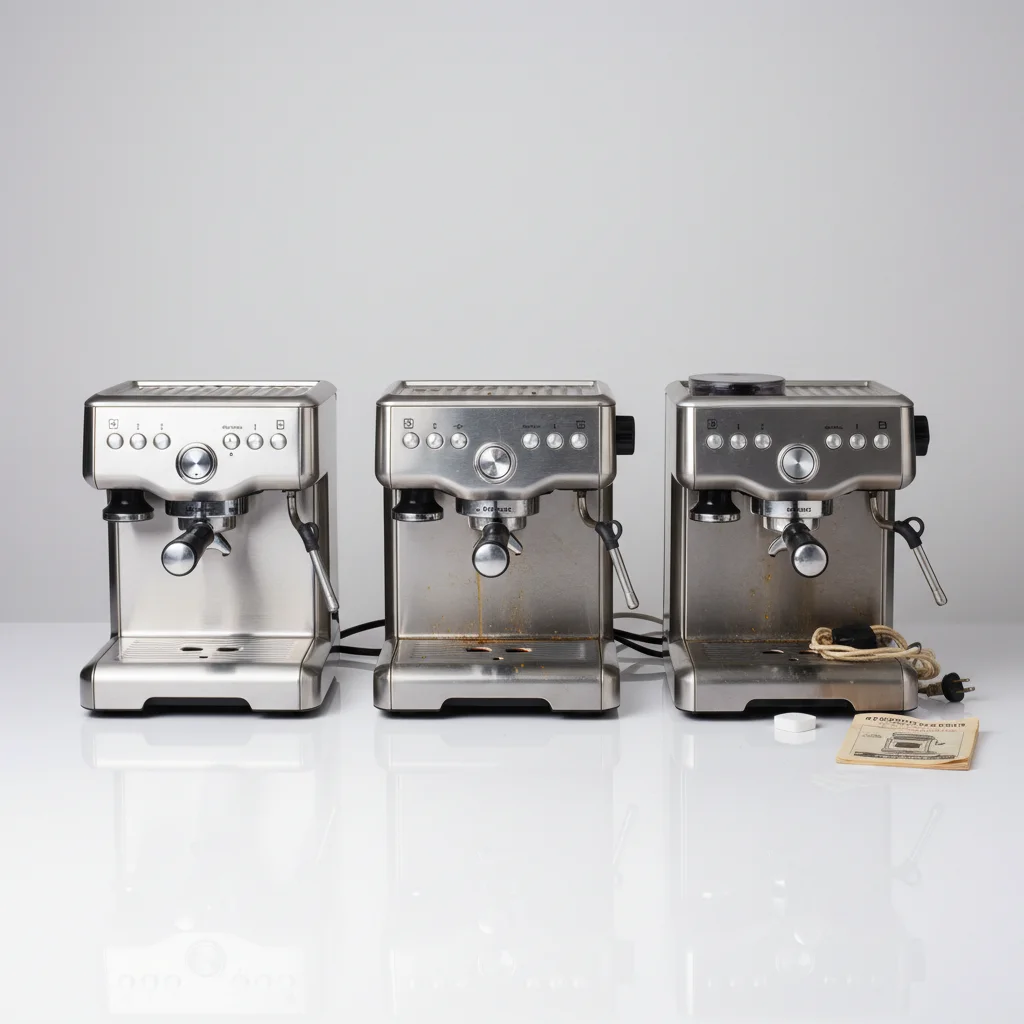
The typical lifespan of an espresso machine ranges from 5 to 15 years, depending on its type, brand, and maintenance. A well-maintained, high-quality semi-automatic or manual machine can easily exceed a decade, while super-automatic models, with their complex electronics, often average around 5-7 years before significant issues arise.
Factors Influencing Espresso Machine Longevity
Several critical factors determine how long your espresso machine will continue to brew delicious coffee. The initial build quality is paramount; machines constructed with durable materials like stainless steel and brass components tend to outlast those with more plastic parts. Brand reputation often correlates with this, as manufacturers known for their robust engineering typically produce more enduring products. Furthermore, the frequency of use plays a significant role. A machine used once daily will naturally experience less wear and tear than one operating in a busy household or small office, brewing multiple shots throughout the day.
The Impact of Regular Maintenance
Consistent and proper maintenance is arguably the most crucial factor in extending your espresso machine’s life. Neglecting routine cleaning and descaling can lead to mineral buildup, blockages, and premature component failure. Descaling every 1-3 months, depending on water hardness, prevents calcium deposits from clogging internal pipes and heating elements. Cleaning the group head, portafilter, and steam wand after each use prevents coffee oil residue from hardening and causing blockages or affecting flavor. Ignoring these simple steps can drastically reduce a machine’s operational life by several years.
Common Wear and Tear Components
|
Our Picks for the Best Espresso Machine in 2026
As an Amazon Associate I earn from qualifying purchases.
|
||
| Num | Product | Action |
|---|---|---|
| 1 | SHARDOR Espresso Machine 20 Bar, Professional Espresso Machine with Milk Frother and Touchscreen, Expresso Coffee Machines with Adjustable Temperature,for Cappuccino, Latte |

|
| 2 | Espresso Machine, 20 BAR Pump Temperature Control, Compact Espresso Maker with Steam Milk Frother, Professional Coffee Makers for Home, Cappuccino, Latte, Gifts for Coffee Lover, Black |
|
| 3 | Espresso Machine with Milk Frother, 20 Bar Pressure Espresso Maker, with 44OZ Removable Tank, Compact Stainless Steel Coffee Machine for Home, Office, Latte, Cappuccino, Gift for Women or Men |
|
| 4 | 20Bar Espresso Machine, Compact Espresso Maker with Milk Frother, Stainless Steel Coffee Machine for Cappuccino&Latte, 42oz Water Tank, Visible Pressure Gauge, Home&Office, Silver |
|
| 5 | Espresso Machine 20 Bar with Milk Frother, Stainless Steel Coffee Maker with 42 oz Removable Water Tank for Cappuccino, Latte&Cold Brew, Home&Office, Silver |
|
| 6 | Espresso Machine, 20Bar Compact Stainless Espresso Maker, With Milk Frother Steam Wand, 57.5OZ Removable Water Tank, Displays Making Time & Water Temperature, Cold Brew & Cappuccino, Silver |
|
| 7 | Chefman CraftBrew Espresso Machine, 15-Bar Pump Digital Espresso Maker w/Steam Wand for Latte & Cappuccino, Compact Espresso Coffee Machine w/ 1.5L Removable Water Reservoir - Stainless Black |
|
| 8 | 20 Bar Espresso Coffee Machine with LED Touch Screen, Espresso Maker with Self-Cleaning Function & Milk Frother, Compact Cappuccino & Latte Maker for Home and Office |
|
| 9 | Breville Barista Touch Espresso Machine BES880BSS, Brushed Stainless Steel |
|
| 10 | Gevi Commercial Espresso and Coffee Makers, Professional 20 Bar Espresso Maker with Milk Frother, Stainless Steel Expresso Coffee Machines for Home, Compact Cappuccino Machine, Great Gift |
|
Even with diligent maintenance, certain components are prone to wear and tear over time and may require replacement. Gaskets and O-rings, typically made of rubber, can dry out, crack, or lose their elasticity, leading to leaks. Pumps, whether vibratory or rotary, have a finite number of cycles before they begin to weaken or fail. Heating elements can also burn out, especially if the machine is frequently run without sufficient water. Solenoid valves, which control water flow, can also stick or fail. Understanding these common failure points can help you anticipate potential repairs and budget accordingly.
When to Repair vs. Replace Your Machine
Deciding whether to repair an aging espresso machine or invest in a new one can be a tough call. A good rule of thumb is to consider the cost of the repair relative to the cost of a new machine. If the repair cost exceeds 50% of the price of a comparable new model, replacement is often the more economical choice. For minor issues like a leaky gasket or a clogged shower screen, a DIY fix or a professional repair is usually worthwhile. However, if multiple major components are failing simultaneously, or if parts are no longer available, it’s likely time to consider an upgrade.
Tips for Maximizing Your Machine’s Lifespan
- Use filtered water to minimize mineral buildup and reduce descaling frequency.
- Descale regularly according to your machine’s manual and water hardness.
- Clean the group head, portafilter, and steam wand after every use.
- Backflush your machine weekly (if applicable) with a suitable cleaning solution.
- Store your machine properly if you’re not using it for an extended period.
By following these guidelines, you can significantly extend the operational life of your espresso machine, ensuring many more years of delicious coffee. Investing a little time in care and maintenance pays dividends in longevity and consistent performance.
Frequently Asked Questions
What is the average lifespan of an espresso machine?
The average lifespan of an espresso machine is between 5 and 15 years. Semi-automatic and manual machines often last over a decade, while super-automatic models typically last 5-7 years due to their complex electronics.
How does maintenance affect an espresso machine's longevity?
Consistent and proper maintenance is crucial for extending an espresso machine's life. Regular descaling every 1-3 months and cleaning components like the group head after each use prevent mineral buildup and blockages, which can drastically reduce operational life.
What are common components that wear out in espresso machines?
Common wear and tear components in espresso machines include rubber gaskets and O-rings, pumps (vibratory or rotary), heating elements, and solenoid valves. These parts may require replacement over time even with diligent maintenance.
When should I repair or replace my espresso machine?
You should consider replacing your espresso machine if the repair cost exceeds 50% of the price of a comparable new model. Minor issues like a leaky gasket are usually worth repairing, but multiple major component failures often indicate it's time for an upgrade.
What steps can maximize an espresso machine's lifespan?
To maximize your espresso machine's lifespan, use filtered water, descale regularly according to the manual, clean the group head and steam wand after every use, and backflush weekly if applicable. Proper storage during extended non-use also helps.
Maximize Your Espresso Machine's Lifespan
Follow these steps to significantly extend the operational life of your espresso machine and ensure consistent performance for many years.
Always use filtered water in your espresso machine. This minimizes mineral buildup, which is a primary cause of internal blockages and reduces the frequency needed for descaling.
Descale your machine every 1-3 months, or as recommended by the manufacturer, based on your water hardness. This prevents calcium deposits from clogging pipes and heating elements, which can lead to premature component failure.
Clean the group head, portafilter, and steam wand immediately after every use. This prevents coffee oil residue from hardening, which can cause blockages, affect coffee flavor, and lead to costly repairs.
If your machine supports it, backflush weekly with a suitable cleaning solution. This deep cleans the group head and internal components, removing stubborn coffee grounds and oils that regular cleaning might miss.
If you plan not to use your machine for an extended period, store it properly. Follow the manufacturer's guidelines for long-term storage, which often includes draining the boiler and ensuring all components are dry to prevent mold or damage.
Get our weekly buyer guide
Practical specs, not advice. Unsubscribe anytime.

I bought a cheaper machine with a lot of plastic components a few years back, and it only lasted about 4 years before the pump gave out. Wish I’d read something like this before! It definitely confirms that build quality with stainless steel and brass really matters. Next time, I’m definitely investing in something more robust.
My Gaggia Classic Pro is a tank! I’ve had it for over 10 years, and it’s still making amazing espresso every morning. The advice about manual machines lasting longer is spot on. I do all the recommended maintenance, and it just keeps on going. Definitely a testament to durable materials and good engineering.
I’ve had my semi-automatic Breville for almost 8 years now, and it’s still going strong! I totally agree that regular descaling and backflushing make all the difference. It’s definitely worth investing a little time in maintenance to get that extra longevity. I’m hoping to get at least another 5 years out of it, maybe more!
This was super helpful! I’ve been wondering if my super-automatic Delonghi was nearing its end, especially since it’s almost 6 years old. The point about complex electronics in super-automatics makes a lot of sense. I’ve noticed a few more quirks lately, but it’s still pulling decent shots for now. Good to know what to expect.