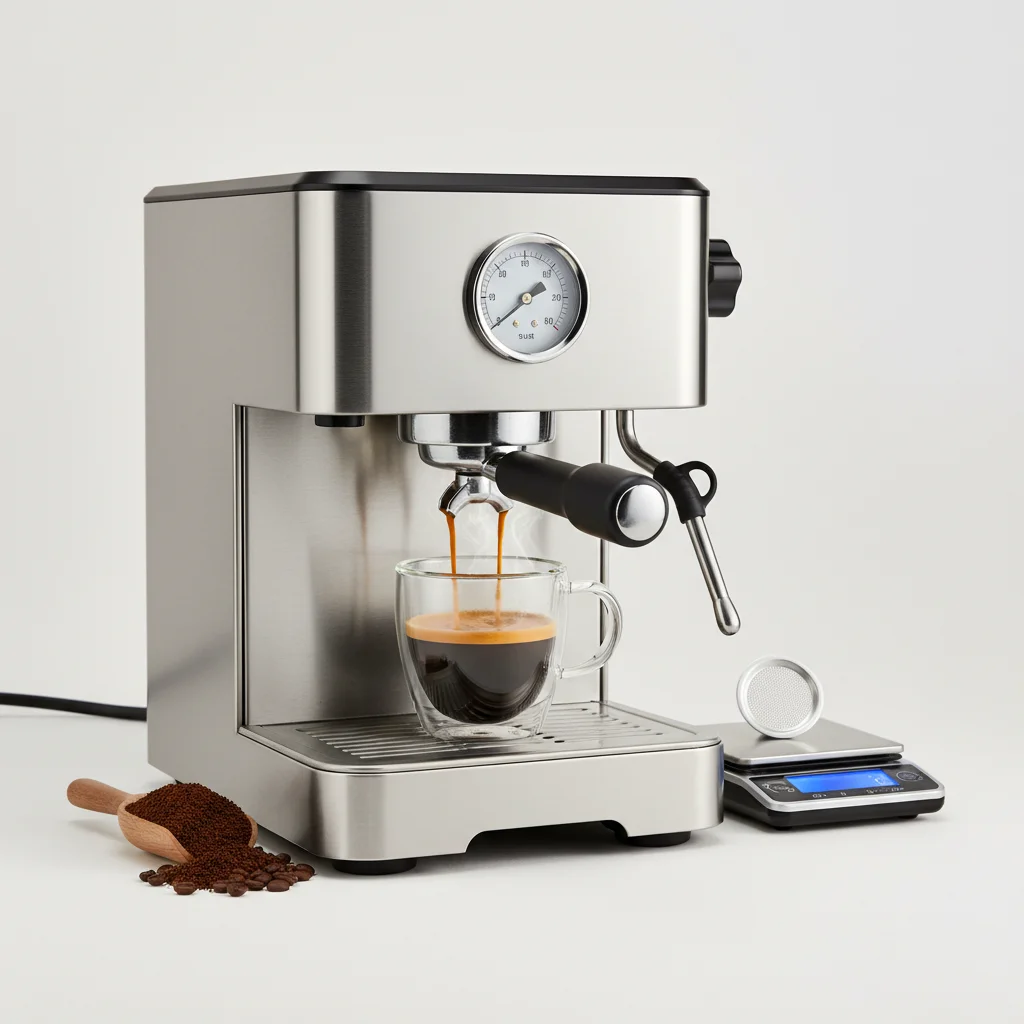
Espresso machine brew pressure significantly impacts the flavor profile of your shot, with an ideal range typically falling between 8 to 10 bars. This pressure is crucial for extracting the soluble compounds from the coffee grounds, contributing to the crema, body, and overall taste. Too low pressure can result in an under-extracted, watery shot, while excessively high pressure can lead to over-extraction, producing bitter and harsh flavors.
Understanding Brew Pressure and Extraction
Brew pressure is the force applied by the machine’s pump to push hot water through the compacted coffee grounds in the portafilter. This process, known as extraction, dissolves the desirable flavors, aromas, and oils from the coffee. The consistency and level of this pressure are vital for a balanced extraction. A stable 9-bar pressure is often considered the gold standard in commercial and high-end home espresso machines, providing a sweet spot for optimal flavor development.
Different types of pumps, such as vibratory and rotary, deliver pressure in slightly different ways, affecting the initial ramp-up and stability. Vibratory pumps are common in entry-level and mid-range machines, while rotary pumps are found in more expensive models, offering quieter operation and more consistent pressure delivery.
How Pressure Influences Crema and Body
The rich, reddish-brown layer on top of an espresso shot, known as crema, is a direct indicator of proper brew pressure and fresh coffee. Adequate pressure helps emulsify the coffee oils and trap carbon dioxide, forming this desirable foam. A thin or absent crema can suggest insufficient pressure or stale coffee, while an overly thick, dark crema might indicate too much pressure or an over-extracted shot. The body of the espresso, its mouthfeel and texture, is also heavily influenced by how effectively the pressure extracts solids and oils.
- Insufficient pressure leads to thin, weak crema.
- Optimal pressure creates a rich, persistent crema.
- Excessive pressure can result in a dark, bubbly crema.
- Proper pressure contributes to a full-bodied espresso.
- Inconsistent pressure causes uneven extraction and poor crema.
Adjusting Pressure for Different Roasts
|
Our Picks for the Best Espresso Machine in 2026
As an Amazon Associate I earn from qualifying purchases.
|
||
| Num | Product | Action |
|---|---|---|
| 1 | Espresso Machine, 20 BAR Pump Temperature Control, Compact Espresso Maker with Steam Milk Frother, Professional Coffee Makers for Home, Cappuccino, Latte, Gifts for Coffee Lover, Black |

|
| 2 | 20 Bar Espresso Coffee Machine with LED Touch Screen, Espresso Maker with Self-Cleaning Function & Milk Frother, Compact Cappuccino & Latte Maker for Home and Office |
|
| 3 | SHARDOR Espresso Machine 20 Bar, Professional Espresso Machine with Milk Frother and Touchscreen, Expresso Coffee Machines with Adjustable Temperature,for Cappuccino, Latte |
|
| 4 | Espresso Machine with Milk Frother, 20 Bar Pressure Espresso Maker, with 44OZ Removable Tank, Compact Stainless Steel Coffee Machine for Home, Office, Latte, Cappuccino, Gift for Women or Men |
|
| 5 | 20Bar Espresso Machine, Compact Espresso Maker with Milk Frother, Stainless Steel Coffee Machine for Cappuccino&Latte, 42oz Water Tank, Visible Pressure Gauge, Home&Office, Silver |
|
| 6 | Espresso Machine 20 Bar with Milk Frother, Stainless Steel Coffee Maker with 42 oz Removable Water Tank for Cappuccino, Latte&Cold Brew, Home&Office, Silver |
|
| 7 | Chefman CraftBrew Espresso Machine, 15-Bar Pump Digital Espresso Maker w/Steam Wand for Latte & Cappuccino, Compact Espresso Coffee Machine w/ 1.5L Removable Water Reservoir - Stainless Black |
|
| 8 | Espresso Machine, 20Bar Compact Stainless Espresso Maker, With Milk Frother Steam Wand, 57.5OZ Removable Water Tank, Displays Making Time & Water Temperature, Cold Brew & Cappuccino, Silver |
|
| 9 | Gevi Commercial Espresso and Coffee Makers, Professional 20 Bar Espresso Maker with Milk Frother, Stainless Steel Expresso Coffee Machines for Home, Compact Cappuccino Machine, Great Gift |
|
| 10 | Breville Barista Touch Espresso Machine BES880BSS, Brushed Stainless Steel |
|
While 9 bars is a general guideline, some baristas adjust brew pressure based on the coffee roast. Lighter roasts, which are denser and harder to extract, might benefit from slightly higher pressure or longer pre-infusion times to ensure full flavor development. Conversely, darker roasts, which are more porous and extract quickly, might require slightly lower pressure to prevent over-extraction and bitterness. Experimentation with your specific beans and machine is key to finding the perfect balance.
Many prosumer machines offer pressure profiling capabilities, allowing users to manipulate pressure throughout the shot. This advanced feature provides greater control over extraction and can highlight specific flavor notes in different coffees.This level of customization is a significant advantage for serious home baristas looking to fine-tune their espresso.
Troubleshooting Pressure-Related Issues
If your espresso shots are consistently lacking in flavor or exhibiting undesirable characteristics, brew pressure could be a culprit. Common issues include a faulty pump, a clogged group head, or an improperly tamped puck. Regularly cleaning your machine and ensuring proper grind size and tamping technique are essential for maintaining consistent pressure. A pressure gauge on your machine can be an invaluable tool for monitoring and diagnosing these issues.Understanding and controlling brew pressure is a fundamental skill for anyone aiming to pull consistently delicious espresso shots at home.
Get our weekly buyer guide
Practical specs, not advice. Unsubscribe anytime.
