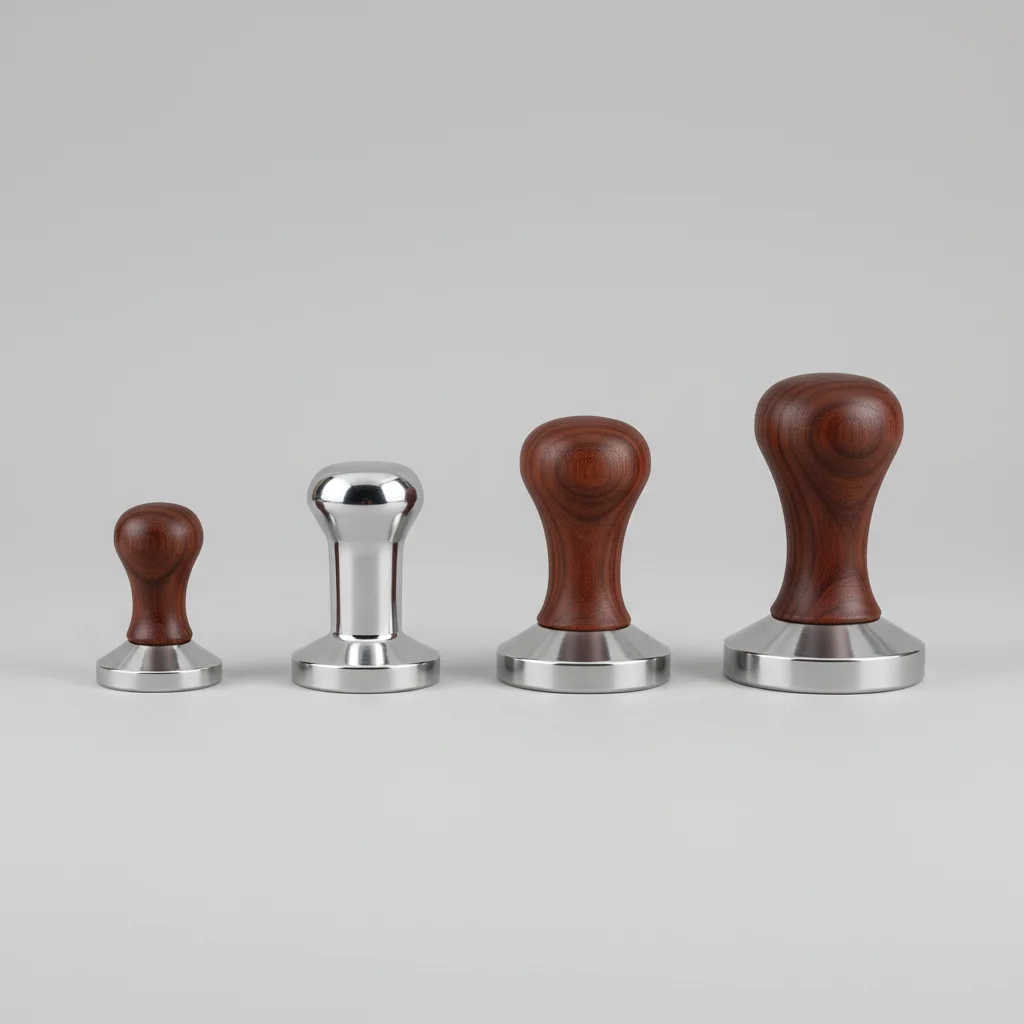
Choosing the correct espresso machine tamper size is crucial for achieving a consistent and delicious shot. The vast majority of home espresso machines use a 58mm tamper, though other common sizes include 53mm and 51mm. The right size ensures an even and level tamp, which is fundamental for proper water flow through the coffee puck during extraction.
Why Tamper Size Matters for Espresso Quality
The tamper’s role is to compress the ground coffee into a dense, even puck within the portafilter basket. If the tamper is too small, it won’t cover the entire surface of the coffee, leading to uneven compression and channeling. Channeling occurs when water finds paths of least resistance through the puck, resulting in an under-extracted, weak, and sour espresso. Conversely, a tamper that’s too large simply won’t fit into the basket.
An ideal tamp creates a uniform resistance to the pressurized water, forcing it to extract flavor compounds evenly from all the coffee grounds. This leads to a balanced, full-bodied espresso with a rich crema.
How to Determine Your Portafilter Basket Size
The most reliable way to determine the correct tamper size is to measure the internal diameter of your portafilter basket. Use a precise measuring tool like a digital caliper for accuracy. Measure across the inside rim of the basket, not the outside. Most manufacturers also specify the basket size in their product manuals or on their websites. If you’re unsure, a quick search for your specific espresso machine model and “portafilter size” should yield the answer.
- Check your espresso machine’s user manual.
- Measure the internal diameter of your portafilter basket with calipers.
- Look for markings on the bottom or side of the portafilter basket.
- Consult the manufacturer’s website or product specifications.
- If all else fails, take your portafilter to a specialty coffee shop for assistance.
Common Tamper Sizes and Machine Compatibility
|
Our Picks for the Best Espresso Machine in 2026
As an Amazon Associate I earn from qualifying purchases.
|
||
| Num | Product | Action |
|---|---|---|
| 1 | Espresso Machine 20 Bar with Milk Frother, Stainless Steel Coffee Maker with 42 oz Removable Water Tank for Cappuccino, Latte&Cold Brew, Home&Office, Silver |

|
| 2 | Breville Barista Touch Espresso Machine BES880BSS, Brushed Stainless Steel |
|
| 3 | SHARDOR Espresso Machine 20 Bar, Professional Espresso Machine with Milk Frother and Touchscreen, Expresso Coffee Machines with Adjustable Temperature,for Cappuccino, Latte |
|
| 4 | Espresso Machine, 20Bar Compact Stainless Espresso Maker, With Milk Frother Steam Wand, 57.5OZ Removable Water Tank, Displays Making Time & Water Temperature, Cold Brew & Cappuccino, Silver |
|
| 5 | Gevi Commercial Espresso and Coffee Makers, Professional 20 Bar Espresso Maker with Milk Frother, Stainless Steel Expresso Coffee Machines for Home, Compact Cappuccino Machine, Great Gift |
|
| 6 | 20 Bar Espresso Coffee Machine with LED Touch Screen, Espresso Maker with Self-Cleaning Function & Milk Frother, Compact Cappuccino & Latte Maker for Home and Office |
|
| 7 | 20Bar Espresso Machine, Compact Espresso Maker with Milk Frother, Stainless Steel Coffee Machine for Cappuccino&Latte, 42oz Water Tank, Visible Pressure Gauge, Home&Office, Silver |
|
| 8 | Chefman CraftBrew Espresso Machine, 15-Bar Pump Digital Espresso Maker w/Steam Wand for Latte & Cappuccino, Compact Espresso Coffee Machine w/ 1.5L Removable Water Reservoir - Stainless Black |
|
| 9 | Espresso Machine, 20 BAR Pump Temperature Control, Compact Espresso Maker with Steam Milk Frother, Professional Coffee Makers for Home, Cappuccino, Latte, Gifts for Coffee Lover, Black |
|
| 10 | Espresso Machine with Milk Frother, 20 Bar Pressure Espresso Maker, with 44OZ Removable Tank, Compact Stainless Steel Coffee Machine for Home, Office, Latte, Cappuccino, Gift for Women or Men |
|
As mentioned, 58mm is the industry standard for many commercial and prosumer espresso machines, including popular brands like Rancilio, La Marzocco, and many E61 group head machines. However, many home machines, especially those from brands like Breville, De’Longhi, and Gaggia, often utilize 51mm or 53mm tampers. It’s not uncommon for a single brand to offer machines with different portafilter sizes, so always verify for your specific model.
Some less common sizes also exist, such as 49mm for certain vintage machines or 54mm for specific Breville models. Always double-check before purchasing a new tamper to avoid disappointment.
Types of Tampers and Their Features
Beyond size, tampers come in various designs and materials. The most common types include flat-bottomed and convex-bottomed tampers. Flat-bottomed tampers are generally preferred for their ability to create a perfectly level puck, which is critical for even extraction. Convex tampers, while less common, are designed to create a slight dome in the center of the puck, which some baristas believe helps prevent channeling at the edges.
Materials range from stainless steel to aluminum, with handles made from wood, plastic, or metal. The weight and ergonomics of the tamper can significantly impact the user experience, making a comfortable grip and balanced feel important for consistent tamping technique.Many baristas also opt for calibrated tampers, which provide a consistent tamping pressure every time, removing a variable from the espresso-making process.
The Impact of an Incorrect Tamper on Your Espresso
Using an incorrect tamper size can lead to a host of problems. A tamper that’s too small will leave uncompressed coffee around the edges of the basket, creating pathways for water to rush through. This results in an under-extracted shot that tastes weak, watery, and sour. You might also notice a very thin or non-existent crema.Conversely, if the tamper is too large, it simply won’t fit into the portafilter basket, rendering it useless. Investing in the correct tamper size is a small but significant step towards consistently pulling excellent espresso shots at home.
Get our weekly buyer guide
Practical specs, not advice. Unsubscribe anytime.

I always struggled with inconsistent shots and couldn’t figure out why. After reading about how crucial the right tamper size is, I measured my portafilter and realized my old tamper was slightly too small. Upgrading to a proper 58mm tamper made a huge difference in my espresso’s flavor and consistency. No more channeling for me!
This was a really helpful guide. I’ve been using a 53mm tamper for my Breville machine for years, but I never fully understood the science behind why it mattered so much. The explanation about water finding paths of least resistance and causing under-extraction really clicked for me. My shots are already pretty good, but this gave me some new insights.
Finally, someone explained why my espresso sometimes tastes sour! I thought it was my beans or grind, but the part about uneven compression and channeling from a wrong-sized tamper makes so much sense. I’m going to double-check my current tamper against my machine’s basket right away. This is a game-changer for my morning routine.
I appreciate the info on different tamper sizes, especially the mention of 51mm for some machines. My only minor complaint is that it didn’t really recommend specific brands or materials for tampers. It’s good to know the size, but a little guidance on what kind of tamper to buy next would have been useful.