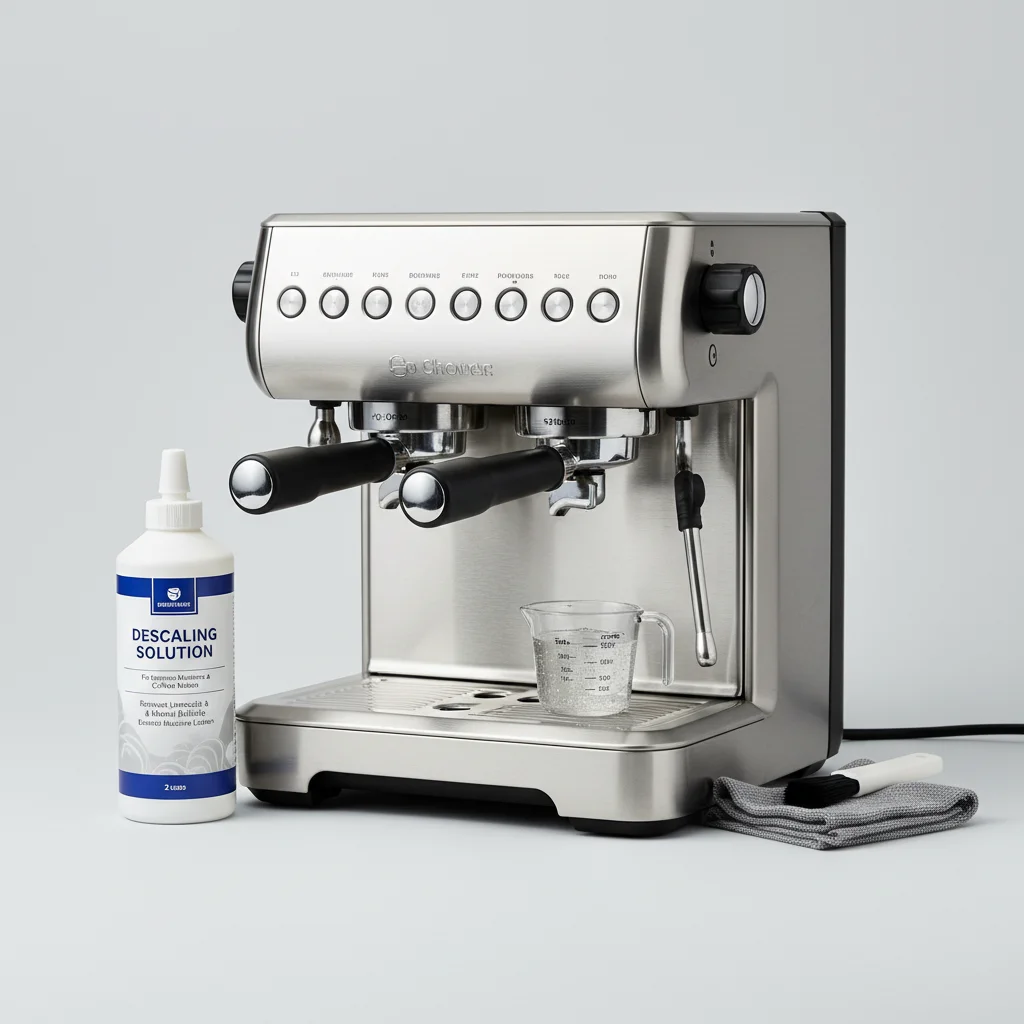
For optimal performance and longevity, you should descale your espresso machine every 1 to 3 months, depending on your water hardness and usage frequency. This crucial maintenance step prevents mineral buildup, which can clog internal components and negatively impact your espresso’s taste and temperature consistency. Ignoring descaling can lead to costly repairs and a significantly shortened machine lifespan.
Why Descaling is Essential for Your Espresso Machine
Descaling is the process of removing mineral deposits, primarily calcium and magnesium, that accumulate inside your espresso machine’s boiler, thermoblock, and water lines. These minerals, naturally present in tap water, form scale when heated. Over time, this scale can restrict water flow, reduce heating efficiency, and even corrode internal parts. Regular descaling ensures your machine operates at its intended pressure and temperature, delivering consistently delicious espresso.
The frequency of descaling largely depends on the hardness of your water. If you live in an area with very hard water, you might need to descale as often as once a month. Conversely, if you use filtered or soft water, you might extend the interval to every three months. Testing your water hardness with a simple kit can help you establish a personalized descaling schedule.
Signs Your Espresso Machine Needs Descaling
Several indicators suggest your espresso machine is due for a descaling treatment. Pay attention to these common signs to prevent further damage and maintain coffee quality:
- Slower Water Flow: If your espresso shot takes longer to pull than usual, or the water dispenses slowly from the group head, scale buildup is likely restricting flow.
- Reduced Espresso Temperature: Scale acts as an insulator, making it harder for your machine to reach and maintain the optimal brewing temperature. Lukewarm espresso is a clear sign.
- Unusual Noises: A struggling pump or gurgling sounds can indicate that the machine is working harder to push water through scaled-up components.
- Visible Scale: While often internal, you might see white, chalky deposits around the steam wand or in the water tank if the problem is severe.
- Bitter or Sour Taste: Inconsistent temperatures and flow can lead to under-extraction, resulting in a less pleasant-tasting espresso.
Choosing the Right Descaling Solution
|
Our Picks for the Best Espresso Machine in 2026
As an Amazon Associate I earn from qualifying purchases.
|
||
| Num | Product | Action |
|---|---|---|
| 1 | Gevi Commercial Espresso and Coffee Makers, Professional 20 Bar Espresso Maker with Milk Frother, Stainless Steel Expresso Coffee Machines for Home, Compact Cappuccino Machine, Great Gift |

|
| 2 | Chefman CraftBrew Espresso Machine, 15-Bar Pump Digital Espresso Maker w/Steam Wand for Latte & Cappuccino, Compact Espresso Coffee Machine w/ 1.5L Removable Water Reservoir - Stainless Black |
|
| 3 | Espresso Machine 20 Bar with Milk Frother, Stainless Steel Coffee Maker with 42 oz Removable Water Tank for Cappuccino, Latte&Cold Brew, Home&Office, Silver |
|
| 4 | 20 Bar Espresso Coffee Machine with LED Touch Screen, Espresso Maker with Self-Cleaning Function & Milk Frother, Compact Cappuccino & Latte Maker for Home and Office |
|
| 5 | Espresso Machine, 20 BAR Pump Temperature Control, Compact Espresso Maker with Steam Milk Frother, Professional Coffee Makers for Home, Cappuccino, Latte, Gifts for Coffee Lover, Black |
|
| 6 | 20Bar Espresso Machine, Compact Espresso Maker with Milk Frother, Stainless Steel Coffee Machine for Cappuccino&Latte, 42oz Water Tank, Visible Pressure Gauge, Home&Office, Silver |
|
| 7 | SHARDOR Espresso Machine 20 Bar, Professional Espresso Machine with Milk Frother and Touchscreen, Expresso Coffee Machines with Adjustable Temperature,for Cappuccino, Latte |
|
| 8 | Espresso Machine with Milk Frother, 20 Bar Pressure Espresso Maker, with 44OZ Removable Tank, Compact Stainless Steel Coffee Machine for Home, Office, Latte, Cappuccino, Gift for Women or Men |
|
| 9 | Espresso Machine, 20Bar Compact Stainless Espresso Maker, With Milk Frother Steam Wand, 57.5OZ Removable Water Tank, Displays Making Time & Water Temperature, Cold Brew & Cappuccino, Silver |
|
| 10 | Breville Barista Touch Espresso Machine BES880BSS, Brushed Stainless Steel |
|
When descaling, it’s vital to use a solution specifically designed for espresso machines. Many manufacturers offer their own descaling products, which are formulated to be effective yet safe for your machine’s internal components. Citric acid-based solutions are common and generally safe. Avoid using harsh household cleaners like vinegar, as their acidity can be too strong for certain materials, potentially damaging seals and gaskets, and leaving a lingering odor or taste.
Always follow the instructions provided by your espresso machine’s manufacturer and the descaling solution’s packaging. Incorrect descaling can be ineffective or even harmful.Many modern machines also have a dedicated descaling cycle, making the process more straightforward.
Step-by-Step Descaling Process (General Guide)
While specific steps vary by machine, a general descaling process involves these key stages:
- Prepare the Machine: Empty the water tank and remove the portafilter.
- Mix the Solution: Dilute the descaling solution with water according to the product instructions and pour it into the water tank.
- Run the Solution: Place a large container under the group head and steam wand. Run about half of the solution through the group head, then run the remaining half through the steam wand.
- Soak (If Recommended): Some manufacturers recommend letting the solution sit in the boiler for 15-30 minutes to dissolve stubborn scale.
- Rinse Thoroughly: Empty the tank, refill it with fresh, clean water, and run several full tanks of clean water through both the group head and steam wand to flush out any remaining descaler. This step is crucial to prevent chemical residue from affecting your espresso’s taste.
Preventative Measures to Reduce Scale Buildup
While descaling is necessary, you can significantly reduce the frequency by taking preventative measures. Using filtered water is the most effective way to minimize mineral deposits. Consider investing in a water filter pitcher or an inline filter for your machine’s water tank.Regularly emptying and refilling your water tank with fresh water, rather than letting it sit for extended periods, can also help. Some advanced machines even have built-in water softeners or indicators for when descaling is needed.
Get our weekly buyer guide
Practical specs, not advice. Unsubscribe anytime.
