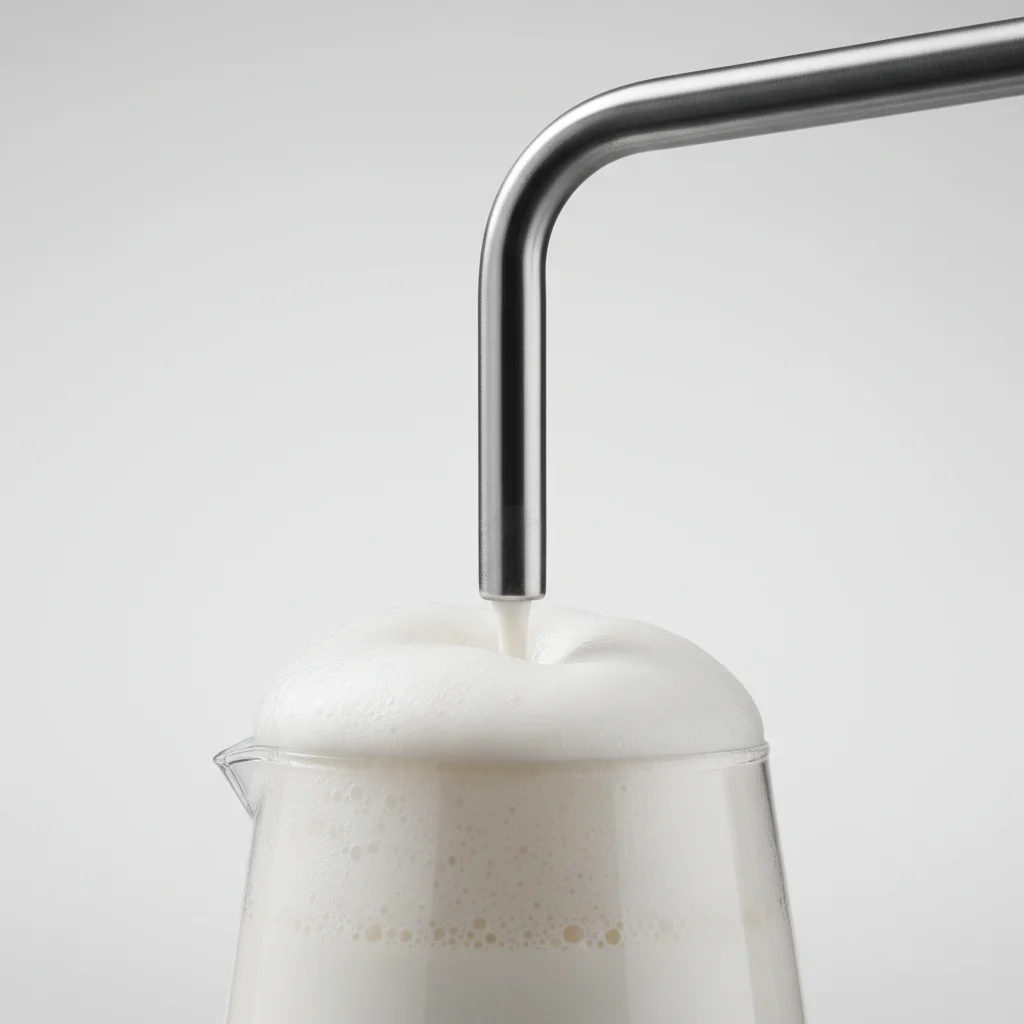
Achieving perfect microfoam with your espresso machine steam wand is a skill that significantly elevates your home barista game. The ideal microfoam, characterized by its velvety texture and glossy appearance, is crucial for latte art and a superior mouthfeel in milk-based espresso drinks. This guide will walk you through the precise steps and techniques to consistently produce excellent microfoam, ensuring your cappuccinos and lattes are café-quality every time.
Understanding Your Steam Wand and Milk
Before you begin, it’s essential to understand how your steam wand works and the type of milk best suited for frothing. Steam wands operate by injecting steam into milk, heating it and incorporating air to create foam. The key is to control both the air incorporation and the heating process. Whole milk is generally recommended for beginners due to its higher fat content, which provides a more stable and forgiving foam. However, many non-dairy alternatives like oat milk can also produce excellent microfoam with practice.
Proper cleaning of your steam wand after each use is paramount. A clogged or dirty wand will not perform optimally, leading to inconsistent results and potential hygiene issues. Always purge the wand before and after steaming to clear any residual milk or condensation.
The Steaming Process: Step-by-Step
The steaming process can be broken down into three main stages: stretching, texturing, and swirling. For best results, use a cold, stainless steel milk pitcher, filled to just below the spout with cold milk. This provides enough volume for proper circulation and prevents overflow.
- Stretching (Aeration): Position the steam wand tip just below the surface of the milk. Open the steam valve fully. You should hear a gentle “hissing” sound, indicating air is being incorporated. Aim for 3-5 seconds of stretching, depending on the desired volume of foam.
- Texturing (Heating): Once you’ve incorporated enough air, submerge the steam wand tip deeper into the milk. This creates a vortex, circulating the milk and breaking down larger bubbles into microfoam. Keep the pitcher angled slightly to maintain the swirl.
- Temperature Control: Continue texturing until the pitcher becomes too hot to comfortably touch (around 140-150°F or 60-65°C). Overheating the milk will scald it, resulting in a burnt taste and degraded texture.
Achieving the Perfect Swirl and Pour
|
Our Picks for the Best Espresso Machine in 2026
As an Amazon Associate I earn from qualifying purchases.
|
||
| Num | Product | Action |
|---|---|---|
| 1 | 20Bar Espresso Machine, Compact Espresso Maker with Milk Frother, Stainless Steel Coffee Machine for Cappuccino&Latte, 42oz Water Tank, Visible Pressure Gauge, Home&Office, Silver |

|
| 2 | Gevi Commercial Espresso and Coffee Makers, Professional 20 Bar Espresso Maker with Milk Frother, Stainless Steel Expresso Coffee Machines for Home, Compact Cappuccino Machine, Great Gift |
|
| 3 | Breville Barista Touch Espresso Machine BES880BSS, Brushed Stainless Steel |
|
| 4 | Espresso Machine 20 Bar with Milk Frother, Stainless Steel Coffee Maker with 42 oz Removable Water Tank for Cappuccino, Latte&Cold Brew, Home&Office, Silver |
|
| 5 | Espresso Machine, 20 BAR Pump Temperature Control, Compact Espresso Maker with Steam Milk Frother, Professional Coffee Makers for Home, Cappuccino, Latte, Gifts for Coffee Lover, Black |
|
| 6 | 20 Bar Espresso Coffee Machine with LED Touch Screen, Espresso Maker with Self-Cleaning Function & Milk Frother, Compact Cappuccino & Latte Maker for Home and Office |
|
| 7 | SHARDOR Espresso Machine 20 Bar, Professional Espresso Machine with Milk Frother and Touchscreen, Expresso Coffee Machines with Adjustable Temperature,for Cappuccino, Latte |
|
| 8 | Espresso Machine with Milk Frother, 20 Bar Pressure Espresso Maker, with 44OZ Removable Tank, Compact Stainless Steel Coffee Machine for Home, Office, Latte, Cappuccino, Gift for Women or Men |
|
| 9 | Espresso Machine, 20Bar Compact Stainless Espresso Maker, With Milk Frother Steam Wand, 57.5OZ Removable Water Tank, Displays Making Time & Water Temperature, Cold Brew & Cappuccino, Silver |
|
| 10 | Chefman CraftBrew Espresso Machine, 15-Bar Pump Digital Espresso Maker w/Steam Wand for Latte & Cappuccino, Compact Espresso Coffee Machine w/ 1.5L Removable Water Reservoir - Stainless Black |
|
After steaming, immediately turn off the steam and wipe the wand clean with a damp cloth, then purge it. The milk in the pitcher will have a layer of foam on top. Gently tap the pitcher on the counter to eliminate any remaining large bubbles. Then, swirl the milk vigorously to integrate the foam with the liquid milk, creating that characteristic glossy, paint-like texture. This step is crucial for latte art.
When pouring, start by holding the cup at an angle and pouring steadily into the center. As the cup fills, gradually bring the pitcher closer to the surface of the coffee and level the cup to create your desired latte art pattern. Practice is key to mastering both the steaming and pouring techniques.
Troubleshooting Common Steaming Issues
Many common issues can arise during the steaming process. If your foam is too bubbly and airy, you’ve likely stretched the milk for too long or had the wand too high. If it’s too thin and watery, you haven’t incorporated enough air. Cold milk is essential for giving you enough time to stretch and texture properly. Ensure your steam pressure is consistent; some entry-level machines may struggle with sustained high pressure.
Another common problem is milk scorching at the bottom of the pitcher. This usually happens if the steam wand is too deep and not creating enough circulation, or if the milk is heated too quickly. Maintaining a consistent vortex is vital for even heating. If you’re consistently getting large bubbles, try adjusting the angle of your pitcher or the depth of the wand tip slightly.
Maintaining Your Steam Wand for Longevity
Regular maintenance of your espresso machine’s steam wand is not just about hygiene; it also ensures optimal performance and extends the life of your machine. Beyond wiping and purging after each use, a deeper clean is occasionally necessary. Depending on your usage, consider soaking the steam wand tip in a descaling solution or a specialized milk frother cleaner once a week or every few days. This helps to break down stubborn milk residue that can build up inside the wand, affecting steam flow and quality. Always refer to your machine’s manual for specific cleaning instructions and recommended products.
Get our weekly buyer guide
Practical specs, not advice. Unsubscribe anytime.
