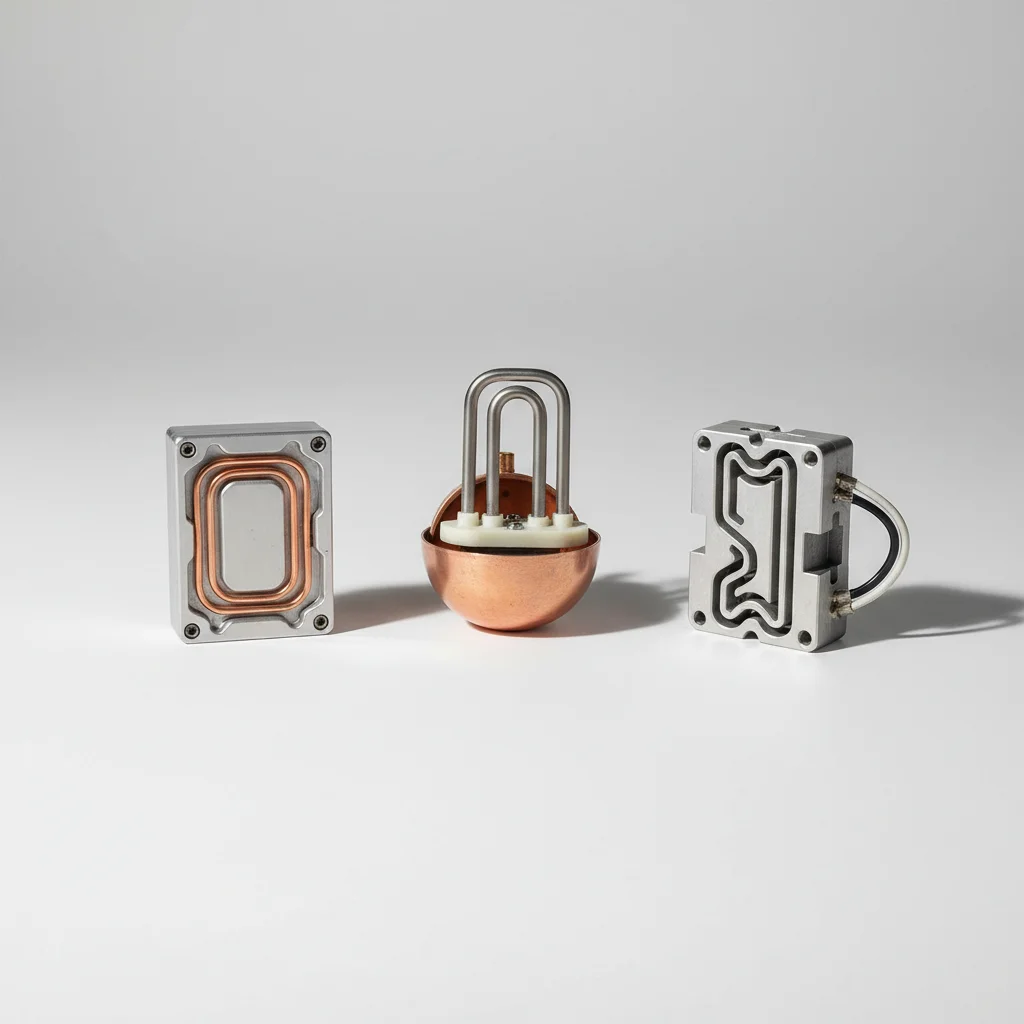
Espresso machine heating elements are primarily of three main types: immersion, band, and cartridge. Each type plays a crucial role in bringing the water to the precise temperature required for optimal espresso extraction, influencing both the machine’s performance and its longevity.
Immersion Heating Elements Explained
Immersion heating elements are perhaps the most common type found in espresso machines, particularly in models with larger boilers. These elements are directly submerged in the water within the boiler, allowing for efficient and rapid heat transfer. They typically consist of a metal sheath, often copper or stainless steel, encasing a resistive wire. As electricity flows through the wire, it generates heat, which is then directly transferred to the surrounding water. This direct contact ensures minimal heat loss and quick recovery times between shots, making them a favorite for busy home baristas.
The design of immersion elements can vary, with some featuring multiple loops to increase the surface area in contact with the water. While highly effective, they can be susceptible to scale buildup, especially in areas with hard water, which can reduce their efficiency over time. Regular descaling is essential to maintain their performance and extend their lifespan.
Band Heating Elements: A Different Approach
Band heating elements, as their name suggests, wrap around the exterior of the boiler. Unlike immersion elements, they do not come into direct contact with the water. Instead, they heat the boiler’s metal shell, which then transfers heat to the water inside. This indirect heating method can offer some advantages, such as easier replacement and less susceptibility to scale buildup directly on the element itself. However, the heat transfer efficiency can be slightly lower compared to immersion elements, potentially leading to longer heating times or less precise temperature control in some designs.
Band heaters are often made from mica or ceramic materials, providing good insulation and even heat distribution around the boiler. They are typically secured with clamps or straps to ensure tight contact with the boiler surface for optimal heat transfer. While less common in entry-level home machines, they are found in various commercial and prosumer models.
Cartridge Heating Elements for Precision
|
Our Picks for the Best Espresso Machine in 2026
As an Amazon Associate I earn from qualifying purchases.
|
||
| Num | Product | Action |
|---|---|---|
| 1 | 20Bar Espresso Machine, Compact Espresso Maker with Milk Frother, Stainless Steel Coffee Machine for Cappuccino&Latte, 42oz Water Tank, Visible Pressure Gauge, Home&Office, Silver |

|
| 2 | Gevi Commercial Espresso and Coffee Makers, Professional 20 Bar Espresso Maker with Milk Frother, Stainless Steel Expresso Coffee Machines for Home, Compact Cappuccino Machine, Great Gift |
|
| 3 | Breville Barista Touch Espresso Machine BES880BSS, Brushed Stainless Steel |
|
| 4 | Chefman CraftBrew Espresso Machine, 15-Bar Pump Digital Espresso Maker w/Steam Wand for Latte & Cappuccino, Compact Espresso Coffee Machine w/ 1.5L Removable Water Reservoir - Stainless Black |
|
| 5 | Espresso Machine, 20Bar Compact Stainless Espresso Maker, With Milk Frother Steam Wand, 57.5OZ Removable Water Tank, Displays Making Time & Water Temperature, Cold Brew & Cappuccino, Silver |
|
| 6 | 20 Bar Espresso Coffee Machine with LED Touch Screen, Espresso Maker with Self-Cleaning Function & Milk Frother, Compact Cappuccino & Latte Maker for Home and Office |
|
| 7 | SHARDOR Espresso Machine 20 Bar, Professional Espresso Machine with Milk Frother and Touchscreen, Expresso Coffee Machines with Adjustable Temperature,for Cappuccino, Latte |
|
| 8 | Espresso Machine with Milk Frother, 20 Bar Pressure Espresso Maker, with 44OZ Removable Tank, Compact Stainless Steel Coffee Machine for Home, Office, Latte, Cappuccino, Gift for Women or Men |
|
| 9 | Espresso Machine, 20 BAR Pump Temperature Control, Compact Espresso Maker with Steam Milk Frother, Professional Coffee Makers for Home, Cappuccino, Latte, Gifts for Coffee Lover, Black |
|
| 10 | Espresso Machine 20 Bar with Milk Frother, Stainless Steel Coffee Maker with 42 oz Removable Water Tank for Cappuccino, Latte&Cold Brew, Home&Office, Silver |
|
Cartridge heating elements are compact, cylindrical heaters often used in thermoblock or thermocoil systems. These systems heat water on demand as it flows through a coiled metal tube or block, rather than storing it in a large boiler. Cartridge elements are inserted into precisely machined holes within the metal block, providing highly localized and efficient heating. Their small size and rapid heating capabilities make them ideal for machines designed for quick startup times and energy efficiency.
The precision of cartridge elements allows for very accurate temperature control, which is crucial for consistent espresso extraction. They are less prone to scale issues than immersion elements because the water is heated as it passes through, reducing the time for mineral deposits to form on the element itself. However, the thermoblock or thermocoil system itself can still accumulate scale over time, requiring regular maintenance.
Choosing the Right Heating Element for Your Needs
When considering an espresso machine, the type of heating element can significantly impact its performance and maintenance requirements. Here are some factors to consider:
- Heat-up Time: Immersion elements generally offer faster initial heat-up and recovery.
- Temperature Stability: All types can offer good stability, but boiler-based systems (immersion, band) often have larger thermal mass.
- Maintenance: Immersion elements require more frequent descaling directly on the element.
- Cost: Machines with immersion elements can sometimes be more affordable, while thermoblock systems with cartridge elements might be pricier.
- Longevity: Proper maintenance is key for all types, but band elements might have a slight edge in terms of direct element lifespan due to less exposure to water.
Understanding these differences will help you make an informed decision when selecting an espresso machine that aligns with your brewing habits and maintenance preferences.
Maintenance Tips for Heating Elements
Regardless of the heating element type, proper maintenance is crucial for extending the life of your espresso machine and ensuring consistent performance. For immersion elements, regular descaling is paramount to prevent mineral buildup, which can reduce heating efficiency and eventually lead to element failure. Using filtered water can significantly slow down scale formation. For band and cartridge elements, while they are less directly exposed to water, the surrounding components (boiler or thermoblock) still require descaling. Always follow the manufacturer’s descaling instructions for your specific machine model.
Additionally, periodically checking for any signs of wear or damage, such as corrosion or loose connections, can help prevent larger issues. If you notice any unusual heating patterns or a decline in performance, it’s advisable to consult your machine’s manual or a qualified technician. Proactive maintenance not only saves you money on repairs but also ensures you continue to enjoy delicious espresso for years to come.
Get our weekly buyer guide
Practical specs, not advice. Unsubscribe anytime.

This was exactly what I needed! I’m a total newbie to espresso machines, and the explanation of how immersion heating elements work was really easy to understand. It makes sense why some machines are more expensive if they have better components. Thanks for simplifying a complex topic!
I’ve always wondered about the different heating elements, and this really cleared things up. My old machine had an immersion element, and it always heated up so fast. It’s good to know why that was the case. Definitely helps me understand what to look for in my next upgrade.
Super helpful breakdown! I appreciate the detail on how each type works. I’ve been eyeing a new machine, and understanding the difference between immersion and cartridge elements is a game-changer for making an informed decision. My current machine takes forever to heat up, so I’m definitely prioritizing quick recovery times.
Good info, but I wish there was a bit more on maintenance for these elements. My band heating element just went out, and I’m trying to figure out if it’s worth replacing or just getting a new machine. It’s a common issue, so some tips on extending their life would be great.