For coffee enthusiasts prioritizing longevity, hygiene, and aesthetics, stainless steel espresso machines are a superior choice due to their exceptional durability and resistance to rust, corrosion, and limescale. These machines, often featuring 304-grade stainless steel, ensure a pure espresso flavor by not imparting metallic tastes and are easier to clean. This guide reviews the top 5 rust-resistant stainless steel espresso machines, including models like the Breville Barista Express Impress and Lelit Bianca V3, and provides essential maintenance tips.
Understanding the Espresso Machine
An espresso machine is a specialized coffee maker that brews coffee by forcing pressurized hot water through finely ground coffee beans. This process, invented in Italy in the early 20th century, results in a concentrated coffee beverage known as espresso, characterized by its thick, creamy foam layer called crema. The machine typically consists of several key components, including a boiler to heat water, a pump to generate pressure, a portafilter to hold the ground coffee, a group head where the water is dispersed, and often a steam wand for frothing milk. The fundamental principle involves heating water to a precise temperature (around 90-96°C or 195-205°F) and then pushing it through the coffee grounds at approximately 9 bars of pressure, extracting the soluble flavors and oils to create that distinctive espresso.
Types of Espresso Machines
The world of espresso machines offers a diverse range to suit every skill level and preference, each with its own advantages and considerations.
- Manual Espresso Machine: These machines, often lever-operated, give the user complete control over every aspect of the brewing process, from pre-infusion pressure to extraction speed. They are ideal for seasoned baristas who enjoy the art and nuance of espresso making, offering unparalleled control for a truly personalized shot. However, they require significant skill and practice to master.
- Semi-Automatic Espresso Machine: The most popular type for home users, semi-automatic machines automate the pump for consistent pressure but allow the user to control grind size, dose, and shot volume. They strike a balance between control and convenience, making them suitable for enthusiasts who want to hone their barista skills without the full complexity of a manual machine.
- Automatic Espresso Machine: Building on semi-automatic models, automatic machines typically offer pre-programmed shot volumes, stopping the water flow automatically once the desired amount is dispensed. This adds a layer of convenience, reducing the need for manual monitoring and making them great for those who want consistent results with less intervention.
- Super-Automatic Espresso Machine: These are the ultimate in convenience, handling everything from grinding fresh beans and tamping them, to brewing the espresso and often frothing milk, all at the touch of a button. While sacrificing some control over the fine details of brewing, super-automatics are perfect for busy individuals or households desiring café-quality drinks with minimal effort.
- Capsule Espresso Machine: Designed for ultimate simplicity, capsule (or pod) machines use pre-packaged coffee capsules. They are incredibly easy to use and clean, offering consistent results every time. However, they typically provide less control over the brewing process and can be more expensive per cup compared to using fresh beans.
Stainless Steel in Espresso Machines: Why It Matters
The choice of material for an espresso machine, particularly for its internal components and exterior housing, significantly impacts its performance, longevity, and even the taste of your coffee. Stainless steel stands out as a premium choice due to its exceptional properties.
Stainless steel offers high durability and is highly resistant to corrosion, rust, and pitting, even when exposed to water for extended periods. This makes it a very durable option for long-term use, maintaining its integrity against the constant exposure to hot water and steam inherent in espresso making. Furthermore, stainless steel is less reactive with water compared to other metals like aluminum or copper, which means it is much less prone to limescale buildup, thereby reducing maintenance requirements. Its inert nature ensures that it does not impart any metallic taste to your coffee, guaranteeing a pure and untainted espresso flavor. The smooth, non-porous surface of stainless steel also makes it easy to clean and maintain, preserving its aesthetic appeal for years.
While stainless steel boilers may exhibit lower heat conductivity compared to brass or copper, leading to slightly longer heat-up times, this is often compensated for with additional insulation or higher wattage heating elements. Another consideration is that machines featuring substantial stainless steel components are generally found in a higher price bracket due to the material’s durability and corrosion resistance. For optimal rust resistance and durability, it is crucial to seek out espresso machines made with at least 304-grade stainless steel, as cheaper alternatives might not offer the same protective qualities.
Comparison Table of Espresso Machine Types
| Feature | Manual | Semi-Automatic | Automatic | Super-Automatic | Capsule |
|---|---|---|---|---|---|
| Control Level | High | Medium | Low | Very Low | Low |
| Complexity | High | Medium | Medium | Low | Low |
| Price | Medium | Medium | High | Very High | Low |
| Maintenance | Difficult | Medium | Medium | Easy | Easy |
| Coffee Quality | Very High | High | Medium | Medium | Medium |
Buying Guide: Choosing Your Stainless Steel Espresso Machine
Selecting the right stainless steel espresso machine involves considering several factors to ensure it perfectly aligns with your lifestyle and coffee preferences.
First, identify your usage needs. Will the machine be for a single person, a bustling family, a small office, or even a commercial setting? This dictates the required capacity, speed, and durability. Next, establish your budget. Stainless steel machines can range significantly in price, so knowing your spending limit will help narrow down options. Be prepared to invest between $350 and $2,500 for a quality home unit that can deliver café-level espresso drinks.
Consider essential features like an integrated grinder for fresh-ground coffee, a powerful steam wand for milk frothing, or programmability for customized drink profiles. Research brand reputation to find manufacturers known for quality, reliability, and excellent customer service. Think about the size and design of the machine to ensure it fits comfortably on your countertop and complements your kitchen’s aesthetic.
Always read the technical specifications carefully, paying attention to power wattage, pump pressure (aim for 9-15 bars for authentic espresso), and water tank capacity. Crucially, verify the grade of stainless steel used, especially for internal components like boilers, prioritizing 304-grade for superior rust resistance and longevity. Finally, check the warranty and customer support policies to safeguard your investment and ensure technical assistance is readily available if needed.
Top 5 Stainless Steel Espresso Machines That Resist Rust
Investing in a stainless steel espresso machine ensures not only a sleek aesthetic but also superior durability and rust resistance. Here are five top models renowned for their stainless steel construction and performance:
1. Breville Barista Express Impress
|
Our Picks for the Best Espresso Machine in 2026
As an Amazon Associate I earn from qualifying purchases.
|
||
| Num | Product | Action |
|---|---|---|
| 1 | Chefman CraftBrew Espresso Machine, 15-Bar Pump Digital Espresso Maker w/Steam Wand for Latte & Cappuccino, Compact Espresso Coffee Machine w/ 1.5L Removable Water Reservoir - Stainless Black |

|
| 2 | Espresso Machine, 20 BAR Pump Temperature Control, Compact Espresso Maker with Steam Milk Frother, Professional Coffee Makers for Home, Cappuccino, Latte, Gifts for Coffee Lover, Black |
|
| 3 | 20 Bar Espresso Coffee Machine with LED Touch Screen, Espresso Maker with Self-Cleaning Function & Milk Frother, Compact Cappuccino & Latte Maker for Home and Office |
|
| 4 | Espresso Machine, 20Bar Compact Stainless Espresso Maker, With Milk Frother Steam Wand, 57.5OZ Removable Water Tank, Displays Making Time & Water Temperature, Cold Brew & Cappuccino, Silver |
|
| 5 | Espresso Machine 20 Bar with Milk Frother, Stainless Steel Coffee Maker with 42 oz Removable Water Tank for Cappuccino, Latte&Cold Brew, Home&Office, Silver |
|
| 6 | SHARDOR Espresso Machine 20 Bar, Professional Espresso Machine with Milk Frother and Touchscreen, Expresso Coffee Machines with Adjustable Temperature,for Cappuccino, Latte |
|
| 7 | Espresso Machine with Milk Frother, 20 Bar Pressure Espresso Maker, with 44OZ Removable Tank, Compact Stainless Steel Coffee Machine for Home, Office, Latte, Cappuccino, Gift for Women or Men |
|
| 8 | Breville Barista Touch Espresso Machine BES880BSS, Brushed Stainless Steel |
|
| 9 | Gevi Commercial Espresso and Coffee Makers, Professional 20 Bar Espresso Maker with Milk Frother, Stainless Steel Expresso Coffee Machines for Home, Compact Cappuccino Machine, Great Gift |
|
| 10 | 20Bar Espresso Machine, Compact Espresso Maker with Milk Frother, Stainless Steel Coffee Machine for Cappuccino&Latte, 42oz Water Tank, Visible Pressure Gauge, Home&Office, Silver |
|
The Breville Barista Express Impress is a semi-automatic marvel designed for aspiring home baristas. It features a robust brushed stainless steel exterior that is both attractive and easy to clean. This machine stands out with its integrated conical burr grinder, smart dosing system that measures the perfect amount of coffee, and an assisted tamping lever for consistent pressure every time. It offers a hands-on experience with automated elements, making it an excellent choice for those wanting to refine their espresso skills while benefiting from rust-resistant components.
2. Breville Bambino Plus
For those seeking a compact yet powerful option, the Breville Bambino Plus is an ideal choice. While small, it boasts impressive capabilities with its ThermoJet® heating system, achieving optimal brewing temperature in just three seconds. It features stainless steel components and delivers high-quality espresso with 9 bars of extraction pressure, similar to commercial machines. The automatic steam wand can texture milk to your preferred temperature and texture, simplifying latte art. Its easy operation and approachable price make it perfect for beginners who don’t want to compromise on quality or the benefits of stainless steel.
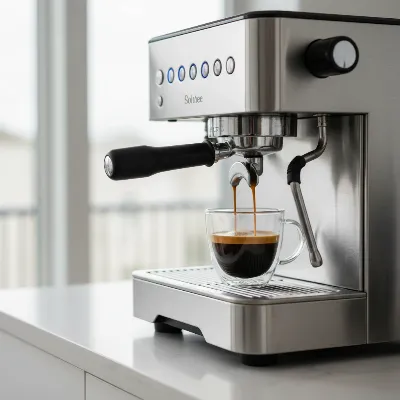 Sleek stainless steel espresso machine brewing a shot of rich coffee on a modern kitchen countertop.
3. Gaggia Accademia
The Gaggia Accademia represents the pinnacle of super-automatic espresso machines, offering luxury and convenience with its elegant design. It features a painted stainless steel housing and a full-color glass touchscreen display, exuding sophistication. With a menu of 19 unique beverages and extensive customization options, it can effortlessly prepare everything from a simple espresso to a complex latte. Users can choose between an auto-frothing carafe for convenience or master milk frothing with Gaggia’s exclusive commercial steam wand. The Accademia’s metal panels, rather than plastic, underscore its premium build quality and rust-resistant nature.
4. Quick Mill Silvano Evo
The Quick Mill Silvano Evo is an excellent entry-level semi-automatic machine that brings advanced features to the home barista. Its striking stainless steel exterior combines traditional aesthetic appeal with modern technology. A standout feature is its thermo block for steam, which allows for simultaneous brewing and steaming, a capability often found in higher-end professional machines. The Silvano Evo also incorporates PID temperature control for precise brewing stability. Its robust stainless steel construction ensures durability and resistance to rust, making it a reliable workhorse for daily espresso creation.
5. Lelit Bianca V3
For the dedicated enthusiast seeking ultimate control and premium build quality, the Lelit Bianca V3 is an exceptional choice. This dual-boiler machine boasts a stunning stainless steel body and features the legendary E61 group head. Its innovative design includes an external and detachable water reservoir, allowing for flexible placement. A wooden paddle on the E61 group head enables manual adjustment of brew pressure during extraction, offering unparalleled pressure profiling capabilities. The substantial stainless steel boilers contribute to its remarkable temperature stability and longevity, making the Bianca V3 a true investment in rust-resistant, high-performance espresso craftsmanship.
Usage and Maintenance for Stainless Steel Espresso Machines
Proper usage and consistent maintenance are crucial for preserving the performance and extending the lifespan of your stainless steel espresso machine, ensuring it remains rust-resistant and produces excellent coffee.
Daily Cleaning:
After each use, wipe down the steam wand with a damp cloth to prevent milk residue buildup. Backflush the group head with a blind portafilter and a small amount of coffee detergent to remove oils and spent grounds. Wipe down the stainless steel exterior with a soft, damp cloth to remove fingerprints and splashes.
Weekly Cleaning:
Deep clean the portafilter and baskets by soaking them in a solution of warm water and espresso machine cleaner. Scrub the group head thoroughly with a brush to dislodge any stubborn coffee particles. Check and clean the drip tray and water reservoir.
Monthly/Bi-Monthly Descaling:
Even though stainless steel is less prone to limescale, regular descaling is still essential, especially in areas with hard water. Use a descaling solution specifically designed for espresso machines. Follow the manufacturer’s instructions carefully for the descaling process. This prevents mineral buildup in the boiler and pipes, which can affect heating efficiency and flow rate.
Water Quality:
Using filtered water is paramount. Hard water contains minerals that can lead to limescale, even in stainless steel boilers. A water softener or a reverse osmosis system can significantly improve water quality and protect your machine. Regular maintenance also helps in preventing common issues like reduced flow or inconsistent temperatures.
Essential Accessories for Your Espresso Journey
To truly elevate your espresso experience and maintain your stainless steel machine effectively, a few key accessories are indispensable:
- Tamper: A high-quality, weighted tamper is essential for creating a perfectly level and consistent coffee bed, crucial for even extraction.
- Milk Pitcher: A stainless steel milk pitcher is ideal for frothing milk. Its thermal conductivity helps you gauge milk temperature by hand, and it’s durable and easy to clean.
- Cleaning Cloths and Brushes: Microfiber cloths are excellent for wiping down the exterior and steam wand, while specialized brushes help clean the group head and portafilter.
- Descaling Solution: Keep a supply of food-grade descaling solution formulated for espresso machines to perform regular descaling.
- Water Filter: Investing in an in-tank water filter or an external filtration system can significantly reduce mineral buildup and improve the taste of your coffee.
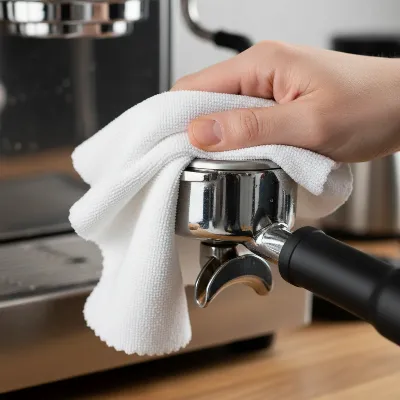 Close-up of a hand cleaning a polished stainless steel espresso machine component with a cloth.
Conclusion
Choosing a stainless steel espresso machine is an investment in durability, hygiene, and timeless style. Their inherent resistance to rust, corrosion, and limescale, combined with their flavor-neutral properties, ensures a consistent and high-quality espresso experience for years to come. From the hands-on control of semi-automatic models like the Breville Barista Express Impress and Quick Mill Silvano Evo, to the super-automatic convenience of the Gaggia Accademia, or the advanced features of the Lelit Bianca V3 and compact design of the Breville Bambino Plus, there’s a rust-resistant stainless steel machine to fit every barista’s needs. By prioritizing regular cleaning, proper water quality, and necessary accessories, you can ensure your machine not only lasts but continues to deliver exceptional espresso. Which stainless steel espresso machine will empower your daily coffee ritual?
Frequently Asked Questions
Why choose stainless steel for an espresso machine?
Stainless steel offers superior durability, excellent resistance to rust, corrosion, and limescale buildup, and is flavor-neutral, ensuring your espresso tastes pure. Its robust nature makes it a long-lasting and hygienic choice for brewing.
Does stainless steel affect espresso taste?
No, stainless steel is an inert material, meaning it does not react with coffee or water and therefore does not impart any metallic taste or flavor to your espresso. This ensures a clean and pure coffee taste.
How can I prevent rust on my stainless steel espresso machine?
While stainless steel is highly rust-resistant, proper maintenance is key. Regularly clean the machine, especially after each use, descale periodically using appropriate solutions, and most importantly, use filtered water to minimize mineral deposits that could potentially affect the surface over time.
What grade of stainless steel is best for espresso machines?
For optimal performance and longevity, look for espresso machines that utilize at least 304-grade stainless steel. This grade provides superior resistance to corrosion and pitting compared to lower grades.
Are stainless steel espresso machines more expensive?
Generally, yes. Due to the superior durability, corrosion resistance, and often higher-end features associated with stainless steel construction, these machines tend to be more expensive than models made with less robust materials. However, their longevity often makes them a worthwhile long-term investment.
Frequently Asked Questions
Why choose stainless steel for an espresso machine?
Stainless steel offers superior durability, excellent resistance to rust, corrosion, and limescale buildup, and is flavor-neutral, ensuring your espresso tastes pure. Its robust nature makes it a long-lasting and hygienic choice for brewing.
Does stainless steel affect espresso taste?
No, stainless steel is an inert material, meaning it does not react with coffee or water and therefore does not impart any metallic taste or flavor to your espresso. This ensures a clean and pure coffee taste.
How can I prevent rust on my stainless steel espresso machine?
While stainless steel is highly rust-resistant, proper maintenance is key. Regularly clean the machine, especially after each use, descale periodically using appropriate solutions, and most importantly, use filtered water to minimize mineral deposits that could potentially affect the surface over time.
What grade of stainless steel is best for espresso machines?
For optimal performance and longevity, look for espresso machines that utilize at least 304-grade stainless steel. This grade provides superior resistance to corrosion and pitting compared to lower grades.
Are stainless steel espresso machines more expensive?
Generally, yes. Due to the superior durability, corrosion resistance, and often higher-end features associated with stainless steel construction, these machines tend to be more expensive than models made with less robust materials. However, their longevity often makes them a worthwhile long-term investment.
Maintain Your Stainless Steel Espresso Machine
Proper usage and consistent maintenance are crucial for preserving the performance and extending the lifespan of your stainless steel espresso machine, ensuring it remains rust-resistant and produces excellent coffee.
After each use, wipe down the steam wand with a damp cloth to prevent milk residue buildup. Backflush the group head with a blind portafilter and a small amount of coffee detergent to remove oils and spent grounds. Wipe down the stainless steel exterior with a soft, damp cloth to remove fingerprints and splashes.
Deep clean the portafilter and baskets by soaking them in a solution of warm water and espresso machine cleaner. Scrub the group head thoroughly with a brush to dislodge any stubborn coffee particles. Check and clean the drip tray and water reservoir.
Even though stainless steel is less prone to limescale, regular descaling is still essential, especially in areas with hard water. Use a descaling solution specifically designed for espresso machines. Follow the manufacturer's instructions carefully for the descaling process to prevent mineral buildup in the boiler and pipes.
Using filtered water is paramount. Hard water contains minerals that can lead to limescale, even in stainless steel boilers. A water softener or a reverse osmosis system can significantly improve water quality and protect your machine from mineral deposits.
Get our weekly buyer guide
Practical specs, not advice. Unsubscribe anytime.

Upgraded to a stainless steel model after my old one started showing signs of corrosion. The durability factor is huge for me, and I appreciate the focus on 304-grade steel. Cleaning is a breeze, and I feel like my espresso tastes cleaner. I’m glad I made the switch, even if it was a bit pricier upfront.
I’ve had my Breville Barista Express Impress for over a year now, and it’s still going strong. The stainless steel finish is super easy to wipe down, and I haven’t seen any rust spots, which was a big concern with my last machine. It really does make a difference in keeping the flavor pure, no metallic taste at all. Definitely worth the investment for daily use.
My old machine was a nightmare to keep clean and always seemed to have limescale issues. Switching to a stainless steel espresso machine has been a game-changer. It’s so much easier to maintain, and I’m confident it will last for years. The pure espresso flavor without any weird aftertastes is a huge bonus.
I got a Lelit Bianca V3 a few months ago, and while the espresso is fantastic, I’ve noticed it takes a bit longer to heat up than I expected. The stainless steel looks great and feels very sturdy, which is a plus for longevity. Just wish it was a little quicker in the mornings when I’m in a rush.