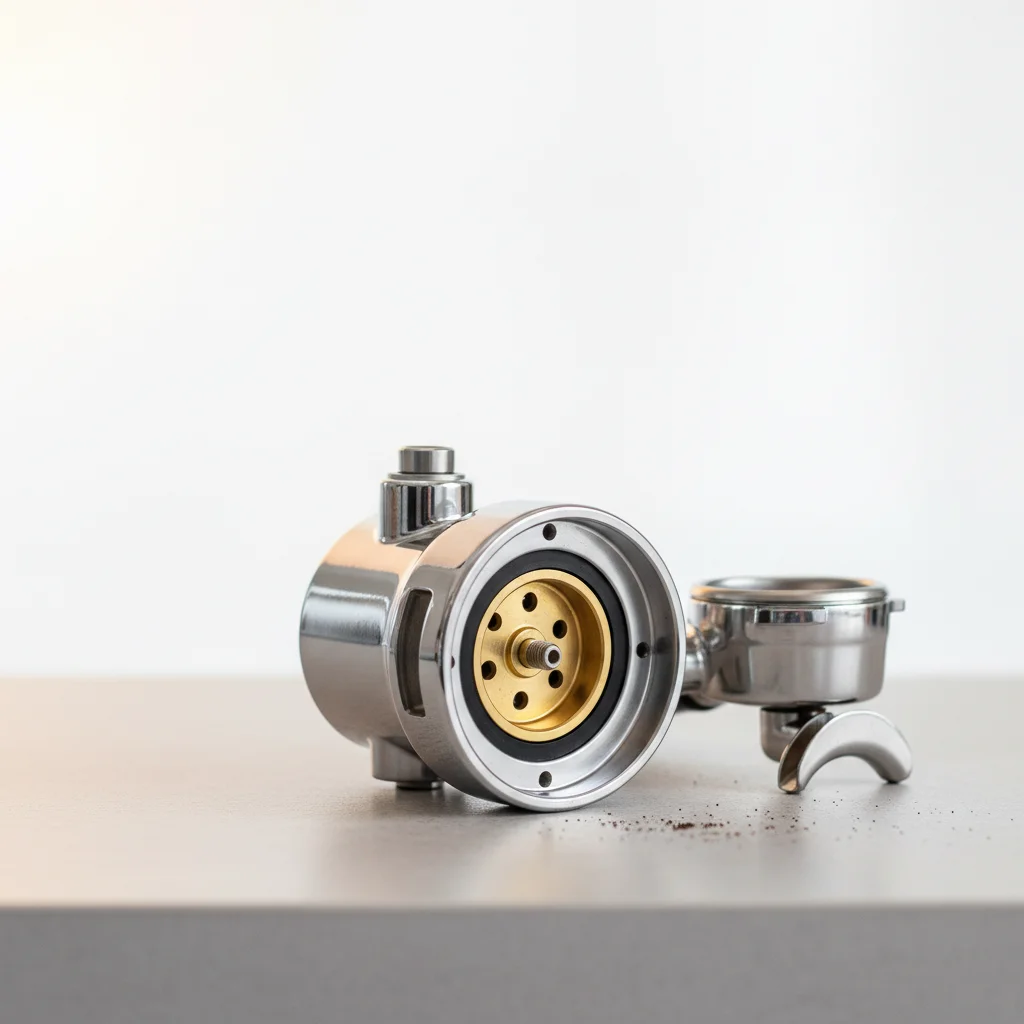
The espresso machine group head is critically important because it’s the final point of contact for water before it hits the coffee grounds, directly influencing temperature stability, pressure distribution, and ultimately, the quality of your espresso shot. A well-designed group head ensures consistent heat transfer and even water dispersion, which are essential for extracting the full flavor profile from your coffee.
What is an Espresso Machine Group Head?
The group head is the component of an espresso machine where the portafilter locks in. It’s a complex assembly typically made of brass or stainless steel, containing a shower screen, a gasket, and internal channels for water flow. Its primary function is to deliver hot, pressurized water evenly over the coffee puck in the portafilter. Different types of group heads, such as E61, saturated, or semi-saturated, offer varying levels of thermal stability and pre-infusion capabilities.
How Does the Group Head Affect Espresso Quality?
The group head significantly impacts espresso quality through its role in temperature stability and water distribution. Fluctuations in temperature can lead to under-extraction (sour shots) or over-extraction (bitter shots). A well-designed group head maintains a consistent temperature, ensuring the water is at the optimal heat for extraction. Furthermore, the shower screen within the group head distributes water evenly across the coffee bed, preventing channeling and promoting a balanced extraction. Without proper distribution, some parts of the coffee puck might be over-extracted while others are under-extracted, resulting in an uneven and undesirable taste.
Common Group Head Issues and Solutions
|
Our Picks for the Best Espresso Machine in 2026
As an Amazon Associate I earn from qualifying purchases.
|
||
| Num | Product | Action |
|---|---|---|
| 1 | 20 Bar Espresso Coffee Machine with LED Touch Screen, Espresso Maker with Self-Cleaning Function & Milk Frother, Compact Cappuccino & Latte Maker for Home and Office |

|
| 2 | Espresso Machine with Milk Frother, 20 Bar Pressure Espresso Maker, with 44OZ Removable Tank, Compact Stainless Steel Coffee Machine for Home, Office, Latte, Cappuccino, Gift for Women or Men |
|
| 3 | Gevi Commercial Espresso and Coffee Makers, Professional 20 Bar Espresso Maker with Milk Frother, Stainless Steel Expresso Coffee Machines for Home, Compact Cappuccino Machine, Great Gift |
|
| 4 | 20Bar Espresso Machine, Compact Espresso Maker with Milk Frother, Stainless Steel Coffee Machine for Cappuccino&Latte, 42oz Water Tank, Visible Pressure Gauge, Home&Office, Silver |
|
| 5 | Espresso Machine 20 Bar with Milk Frother, Stainless Steel Coffee Maker with 42 oz Removable Water Tank for Cappuccino, Latte&Cold Brew, Home&Office, Silver |
|
| 6 | Espresso Machine, 20 BAR Pump Temperature Control, Compact Espresso Maker with Steam Milk Frother, Professional Coffee Makers for Home, Cappuccino, Latte, Gifts for Coffee Lover, Black |
|
| 7 | SHARDOR Espresso Machine 20 Bar, Professional Espresso Machine with Milk Frother and Touchscreen, Expresso Coffee Machines with Adjustable Temperature,for Cappuccino, Latte |
|
| 8 | Breville Barista Touch Espresso Machine BES880BSS, Brushed Stainless Steel |
|
| 9 | Chefman CraftBrew Espresso Machine, 15-Bar Pump Digital Espresso Maker w/Steam Wand for Latte & Cappuccino, Compact Espresso Coffee Machine w/ 1.5L Removable Water Reservoir - Stainless Black |
|
| 10 | Espresso Machine, 20Bar Compact Stainless Espresso Maker, With Milk Frother Steam Wand, 57.5OZ Removable Water Tank, Displays Making Time & Water Temperature, Cold Brew & Cappuccino, Silver |
|
Several issues can arise with an espresso machine group head that impact performance. Leaks around the portafilter often indicate a worn-out group head gasket, which is a simple replacement. Clogged shower screens, caused by coffee grounds or mineral buildup, can lead to uneven water flow and should be cleaned regularly. Inconsistent temperature can sometimes be a sign of a failing heating element or a need for descaling within the group head’s internal pathways. Regular cleaning and maintenance are key to preventing most common problems.
- Replace group head gasket every 6-12 months to prevent leaks.
- Clean the shower screen weekly to ensure even water distribution.
- Backflush the group head with a blind filter and espresso machine cleaner monthly.
- Check for mineral buildup and descale the machine every 2-3 months.
- Inspect the group head for any visible damage or wear during cleaning.
Maintaining Your Espresso Machine Group Head
Proper maintenance of your group head is crucial for extending the life of your machine and consistently pulling great shots. This involves daily rinsing, weekly cleaning, and periodic gasket replacement. After each use, remove the portafilter and rinse the group head to clear any loose coffee grounds. Weekly, use a group head brush to scrub the shower screen and gasket area. Monthly, perform a backflush with a cleaning detergent to remove built-up coffee oils.Regularly checking the gasket for cracks or hardening and replacing it as needed will prevent leaks and ensure a tight seal during brewing.
Choosing an Espresso Machine with a Quality Group Head
When selecting an espresso machine, the type and quality of the group head are important considerations. Machines with E61 group heads, for example, are renowned for their thermal stability due to their heavy brass construction and thermosiphon system. Saturated group heads, often found in higher-end machines, integrate the group head directly into the boiler, offering exceptional temperature consistency. For home baristas, understanding these differences can help in choosing a machine that meets their specific needs for consistency and shot quality. Always prioritize machines that offer robust construction and easy access for cleaning and maintenance of the group head.
Get our weekly buyer guide
Practical specs, not advice. Unsubscribe anytime.
