For any home barista, a perfectly frothed milk is the hallmark of a great espresso-based drink. Yet, when your espresso machine’s steam wand sputters, produces weak steam, or worse, no steam at all, it can quickly turn your morning ritual into a frustrating experience. A clogged steam wand not only hinders your ability to create velvety microfoam but can also affect the taste and hygiene of your beverages. Fortunately, with a few simple tools and a bit of know-how, you can effectively clean and restore your espresso machine’s steam wand, ensuring powerful, consistent steam every time. This comprehensive guide will walk you through the essential steps to diagnose, clean, and maintain your steam wand, transforming you into a master of machine care.
Understanding Your Espresso Machine’s Steam Wand
The steam wand is a crucial component of your espresso machine, designed to inject pressurized steam into milk to heat and aerate it, creating the desirable microfoam for lattes and cappuccinos. It’s typically a metal tube extending from the machine, culminating in a small tip with one or more tiny holes. These holes are precisely engineered to deliver steam efficiently.
However, this vital part is highly susceptible to clogging. The primary culprit is dried milk residue. Milk contains proteins and fats that, when exposed to the high heat of the steam wand, can quickly coagulate and solidify. If not cleaned immediately after use, this residue builds up both inside and outside the wand. Furthermore, when the steam valve is closed, a slight vacuum effect can draw residual milk back into the wand and even into the machine’s internal system. Over time, mineral deposits from hard water can also contribute to blockages, further impeding steam flow and reducing efficiency.
Signs of a Clogged Steam Wand
Recognizing the early signs of a clogged steam wand can prevent more severe issues and make the cleaning process much easier. Pay attention to these indicators:
- Weak or Inconsistent Steam Pressure: The most obvious sign. Instead of a strong, continuous jet of steam, you might observe a feeble or sputtering output.
- Sputtering or Uneven Steam Flow: Steam may come out in bursts rather than a steady stream, making it difficult to properly texture milk.
- Unusual Noises: The wand might produce hissing, gurgling, or whistling sounds that are different from its normal operation.
- No Steam at All: In severe cases, the wand may become completely blocked, preventing any steam from escaping.
- Poor Milk Frothing Performance: Even if some steam is present, a clogged wand will often fail to produce the desired fine, silky microfoam, resulting in larger bubbles or underheated milk.
- Visible Residue: You might see hardened milk deposits around the steam tip or within the steam holes.
Gathering Your DIY Cleaning Arsenal
Before you begin, ensure your espresso machine is turned off and has cooled down to prevent any burns. Having the right tools on hand will make the cleaning process smooth and effective.
Here’s what you’ll need:
- Microfiber Cloth: Essential for wiping the wand after each use and during cleaning. Have a dedicated cloth just for the steam wand.
- Small Pitcher or Mug: For soaking the steam wand tip.
- Specialized Milk Cleaner (e.g., Urnex Rinza): These detergents are specifically formulated to break down milk proteins and fats without damaging your machine’s components. They are generally recommended over household cleaners.
- Thin Wire, Paperclip, or Steam Wand Cleaning Tool: Many espresso machines, especially models like Breville, come with a small cleaning pin or tool. A straightened paperclip or a thin needle can also be used to clear the steam holes.
- Small Brush (Optional): A tiny brush, similar to a pipe cleaner or bottle brush, can be useful for scrubbing the inside of a detachable steam tip.
- Warm Water: For soaking and rinsing.
Step-by-Step DIY Cleaning Guide
Tackling a clogged steam wand involves a combination of immediate preventative steps and deeper cleaning routines.
Immediate Post-Use Care (Prevention is Key)
|
Our Picks for the Best Espresso Machine in 2026
As an Amazon Associate I earn from qualifying purchases.
|
||
| Num | Product | Action |
|---|---|---|
| 1 | SHARDOR Espresso Machine 20 Bar, Professional Espresso Machine with Milk Frother and Touchscreen, Expresso Coffee Machines with Adjustable Temperature,for Cappuccino, Latte |

|
| 2 | Espresso Machine, 20Bar Compact Stainless Espresso Maker, With Milk Frother Steam Wand, 57.5OZ Removable Water Tank, Displays Making Time & Water Temperature, Cold Brew & Cappuccino, Silver |
|
| 3 | Espresso Machine, 20 BAR Pump Temperature Control, Compact Espresso Maker with Steam Milk Frother, Professional Coffee Makers for Home, Cappuccino, Latte, Gifts for Coffee Lover, Black |
|
| 4 | Espresso Machine with Milk Frother, 20 Bar Pressure Espresso Maker, with 44OZ Removable Tank, Compact Stainless Steel Coffee Machine for Home, Office, Latte, Cappuccino, Gift for Women or Men |
|
| 5 | Breville Barista Touch Espresso Machine BES880BSS, Brushed Stainless Steel |
|
| 6 | Espresso Machine 20 Bar with Milk Frother, Stainless Steel Coffee Maker with 42 oz Removable Water Tank for Cappuccino, Latte&Cold Brew, Home&Office, Silver |
|
| 7 | Chefman CraftBrew Espresso Machine, 15-Bar Pump Digital Espresso Maker w/Steam Wand for Latte & Cappuccino, Compact Espresso Coffee Machine w/ 1.5L Removable Water Reservoir - Stainless Black |
|
| 8 | 20Bar Espresso Machine, Compact Espresso Maker with Milk Frother, Stainless Steel Coffee Machine for Cappuccino&Latte, 42oz Water Tank, Visible Pressure Gauge, Home&Office, Silver |
|
| 9 | 20 Bar Espresso Coffee Machine with LED Touch Screen, Espresso Maker with Self-Cleaning Function & Milk Frother, Compact Cappuccino & Latte Maker for Home and Office |
|
| 10 | Gevi Commercial Espresso and Coffee Makers, Professional 20 Bar Espresso Maker with Milk Frother, Stainless Steel Expresso Coffee Machines for Home, Compact Cappuccino Machine, Great Gift |
|
This daily ritual is the most critical aspect of steam wand maintenance and can prevent most clogs from forming.
- Wipe Immediately: The moment you finish steaming milk, and while the wand is still hot, quickly wipe down the entire steam wand with a clean, damp microfiber cloth. This removes liquid milk before it has a chance to dry and harden.
- Purge Instantly: After wiping, point the steam wand over the drip tray and open the steam valve for one to three seconds. This powerful blast of steam will expel any milk that may have been sucked up into the tip or internal passages, preventing it from drying inside.
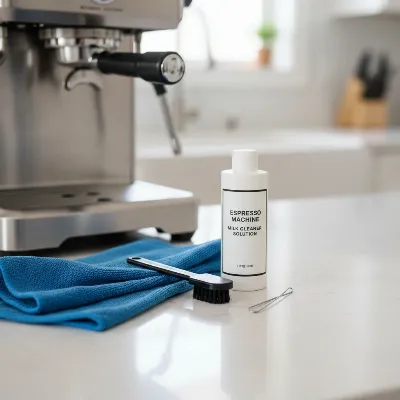 A collection of essential tools for cleaning an espresso machine steam wand, including a microfiber cloth, a small brush, a cleaning solution bottle, and a thin wire or paperclip, neatly arranged on a clean kitchen counter near an espresso machine.
Addressing Mild Clogs: The Quick Clean
If your steam wand is showing early signs of clogging despite daily wiping and purging, a quick clean can often resolve the issue.
- Turn Off and Cool Down: Ensure your machine is turned off and fully cooled.
- Unscrew the Steam Tip (If Possible): Many steam wands have a removable tip. If yours does, carefully unscrew it (some machines require a small wrench, often included with the machine).
- Soak the Tip: Place the detached steam tip into a small pitcher or mug filled with warm water and the recommended amount of specialized milk cleaner. Let it soak for 15-30 minutes. This solution will dissolve hardened milk proteins and fats. If your wand tip is not removable, submerge only the metal part of the entire wand into the solution, ensuring no other parts of the machine get wet.
- Clear the Holes: After soaking, use your thin wire, paperclip, or the provided cleaning tool to gently poke through each steam hole. Twist and push to dislodge any softened milk residue. Be gentle to avoid scratching or enlarging the holes.
- Rinse Thoroughly: Rinse the steam tip (or the entire soaked wand) thoroughly under running water to remove all cleaning solution and loosened debris.
- Reassemble and Purge: If the tip was removed, screw it back onto the wand, ensuring it’s snug but not overtightened. Turn your machine back on and allow it to reach steaming temperature. Then, point the wand into an empty pitcher or over the drip tray and purge steam for at least 30 seconds to flush out any remaining cleaning solution or particles from the internal system.
Tackling Stubborn Clogs: The Deep Clean
For more persistent clogs that don’t respond to a quick clean, a deeper approach is needed.
- Extended Soaking: For very stubborn buildup, soak the detached steam tip (or the wand’s metal end) in the milk cleaner solution for several hours or even overnight. The longer contact time will help break down heavily calcified milk residue.
- Internal Wand Cleaning: If your steam tip is removable, you might be able to use a small, flexible brush to clean the inside of the wand itself (the part still attached to the machine). Carefully insert the brush and scrub gently to dislodge internal residue.
- Multiple Purges: After reassembling, perform several long purges (30-60 seconds each) with fresh water to ensure all residue and cleaning solution are thoroughly flushed from the system. You might see some dislodged particles during these purges.
- Descaling the Machine (if applicable): While milk residue is the primary cause of steam wand clogs, mineral scale buildup within the machine’s boiler can also indirectly affect steam pressure. If you have hard water, consider performing a full machine descaling according to your manufacturer’s instructions. Note: Use a dedicated descaling solution for the machine, not a milk cleaner, and ensure it’s safe for your specific espresso machine model.
Advanced Troubleshooting (When DIY Isn’t Enough)
If you’ve followed all the DIY cleaning steps and your steam wand still isn’t performing correctly, the issue might be more complex, potentially involving internal components beyond the removable tip.
- Internal Blockages: Milk residue or scale can build up further inside the steam wand’s tubing or even within the steam valve itself, where it’s not accessible through basic cleaning.
- Mechanical Failure: Less commonly, a faulty steam valve, a broken heating element, or a defective temperature sensor could be preventing proper steam production.
In these situations, it’s best to consult your espresso machine’s manual for specific troubleshooting steps or consider taking your machine to a qualified service technician. Attempting to disassemble internal components without proper knowledge can cause further damage and void your warranty.
 A close-up of an espresso machine steam wand being purged, with steam and a few water droplets visibly escaping into an empty metal pitcher, highlighting the cleaning process.
Preventive Maintenance for a Pristine Steam Wand
Consistent care is the key to preventing future clogs and ensuring the longevity of your steam wand.
- Make Daily Wipe and Purge a Habit: This is non-negotiable. It takes mere seconds after each use and is the most effective way to prevent milk from drying inside the wand.
- Regular Deep Cleans: Depending on your usage, perform a weekly or bi-weekly deep clean of the steam tip by soaking it in a specialized milk cleaner.
- Use Filtered Water: If you live in an area with hard water, using filtered water for your espresso machine can significantly reduce mineral scale buildup, protecting not only your steam wand but the entire machine.
- Follow Manufacturer Guidelines: Always refer to your espresso machine’s manual for specific cleaning instructions and recommended products.
Common Pitfalls to Avoid
Steer clear of these common mistakes that can damage your steam wand or compromise its performance:
- Ignoring Clogs: Postponing cleaning allows milk residue to harden further, making it much more difficult to remove and potentially leading to permanent damage or the need for professional repair.
- Using Abrasive or Harsh Tools: Sharp metal objects can scratch the delicate surface of the steam wand or damage the precision-drilled steam holes, altering steam flow and potentially making future clogs worse.
- Using Inappropriate Cleaners: Avoid strong household cleaners like bleach or abrasive scrubbers, as these can corrode metal, damage internal seals, or leave behind harmful residues that affect taste and health. Stick to specialized milk system cleaners.
- Not Purging Sufficiently: A quick dab with a cloth is not enough. The internal purge is vital for clearing milk from inside the wand.
- Improper Reassembly: Ensure the steam tip is securely but not excessively tightened. A loose tip can leak, and an overtightened one can be difficult to remove later or damage threads.
Conclusion
A clogged espresso machine steam wand can be a significant setback for any coffee enthusiast, but it doesn’t have to spell the end of your perfect lattes. By understanding the causes of clogs, implementing a diligent routine of daily wiping and purging, and performing periodic deep cleans with the right tools, you can easily maintain a clean and efficient steam wand. These simple DIY steps will not only restore your steam wand’s performance but also extend the life of your espresso machine and ensure every cup you brew is of the highest quality. Take pride in your machine’s care, and it will reward you with consistently excellent coffee. What simple maintenance habit has made the biggest difference in your espresso journey?
Frequently Asked Questions
Why does my steam wand keep getting clogged even with daily wiping?
Even with daily wiping, milk residue can be drawn into the tiny holes and internal passages of the steam wand when the steam valve is closed. It’s crucial to also “purge” the wand immediately after each use by blasting steam for a few seconds to clear these internal pathways, which often prevents persistent clogs.
Can I use white vinegar to clean my espresso machine’s steam wand?
Some sources suggest using diluted white vinegar for soaking the steam wand tip. While it can help break down milk residue, caution is advised as its acidity may potentially damage chrome plating or internal seals on some machines. Specialized milk cleaning solutions are generally recommended as a safer and more effective alternative.
How often should I deep clean my steam wand?
The frequency of deep cleaning depends on your usage. For daily home use, a weekly or bi-weekly deep clean of the steam tip by soaking it in a specialized milk cleaner is usually sufficient. In commercial settings or with heavy use, daily deep cleaning may be necessary to prevent stubborn blockages.
What should I do if my steam wand is completely blocked and no steam comes out?
If your steam wand is completely blocked, first ensure your machine is off and cooled. Then, unscrew the steam tip (if removable) and soak it in a strong milk cleaner solution for several hours or overnight. Use a thin wire or cleaning tool to meticulously clear each hole. If the blockage persists, the issue might be internal, and professional servicing may be required.
Can a clogged steam wand affect the taste of my coffee?
Yes, absolutely. Old, dried milk residue within a clogged steam wand can harbor bacteria and develop a rancid smell. When steam passes through this buildup, it can transfer these unpleasant odors and tastes into your milk, ultimately spoiling the flavor of your espresso-based beverages. Regular cleaning ensures both hygiene and taste quality.
